← All Eras
Era 6 of 6 · 2020–2026

Interstate Regulation & Workforce Mobility Era

Pandemic pressure and national response

COVID-19 exposed critical vulnerabilities in EMS workforce mobility and interstate coordination, accelerating landmark legislation and compact agreements.

16 documented events
2020 6 events

50th Anniversary of the National Registry

The organization celebrated five decades of advancing EMS professionalism, highlighting its legacy of protecting the public and standardizing prehospital care across the nation.

Launch of the National EMS-ID

The National Registry introduced the EMS-ID — a unique, lifelong identifier for each certified professional — improving data tracking and credentialing consistency across jurisdictions.
Read more
March 13, 2020 1 event
National Event

U.S. Declares National Emergency Over COVID-19

In response to the global COVID-19 pandemic, the Trump Administration declared a national emergency on March 13, 2020. The announcement included sweeping measures to restrict international travel, including a ban on non-U.S. citizens arriving from 26 European nations. This marked a turning point in the U.S. federal pandemic response and initiated unprecedented public health and emergency mobilizations nationwide.
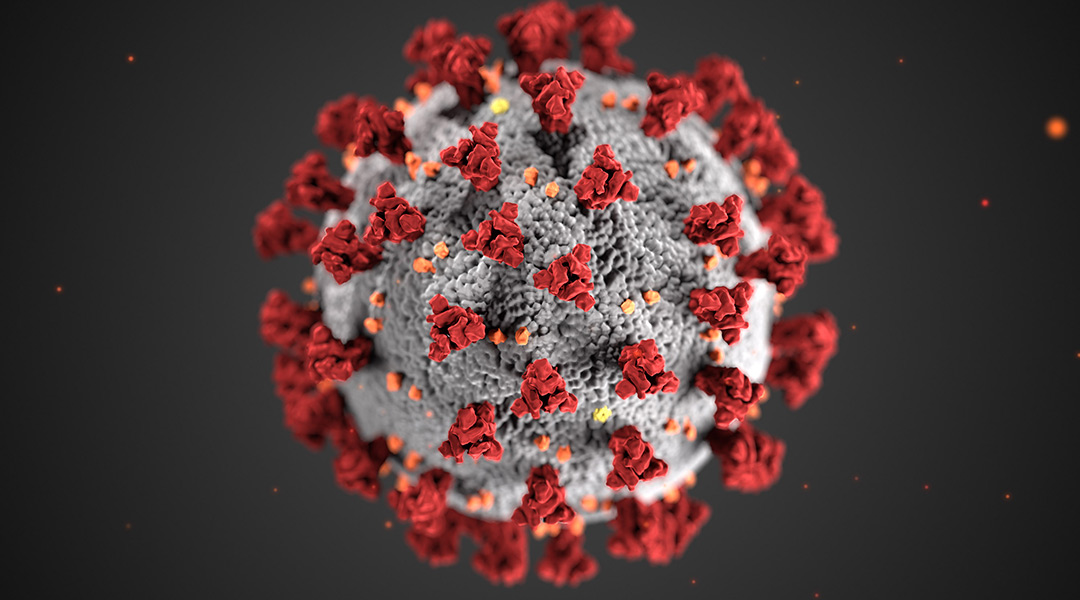
Illustration of SARS-CoV-2 virus
Read more
2020 6 events

EMS Compact Declared Operational Under REPLICA

On March 15, 2020, the Interstate Commission for EMS Personnel Practice declared the EMS Compact operational, establishing the first interstate licensure recognition framework in EMS history. Authorized under the Recognition of EMS Personnel Licensure Interstate CompAct (REPLICA), the Compact enabled EMS clinicians licensed in any member state to practice across state lines without obtaining additional licenses. The declaration came two days after the national COVID-19 emergency, and the Compact proved immediately critical to pandemic response. EMS Compact Logo
Read more

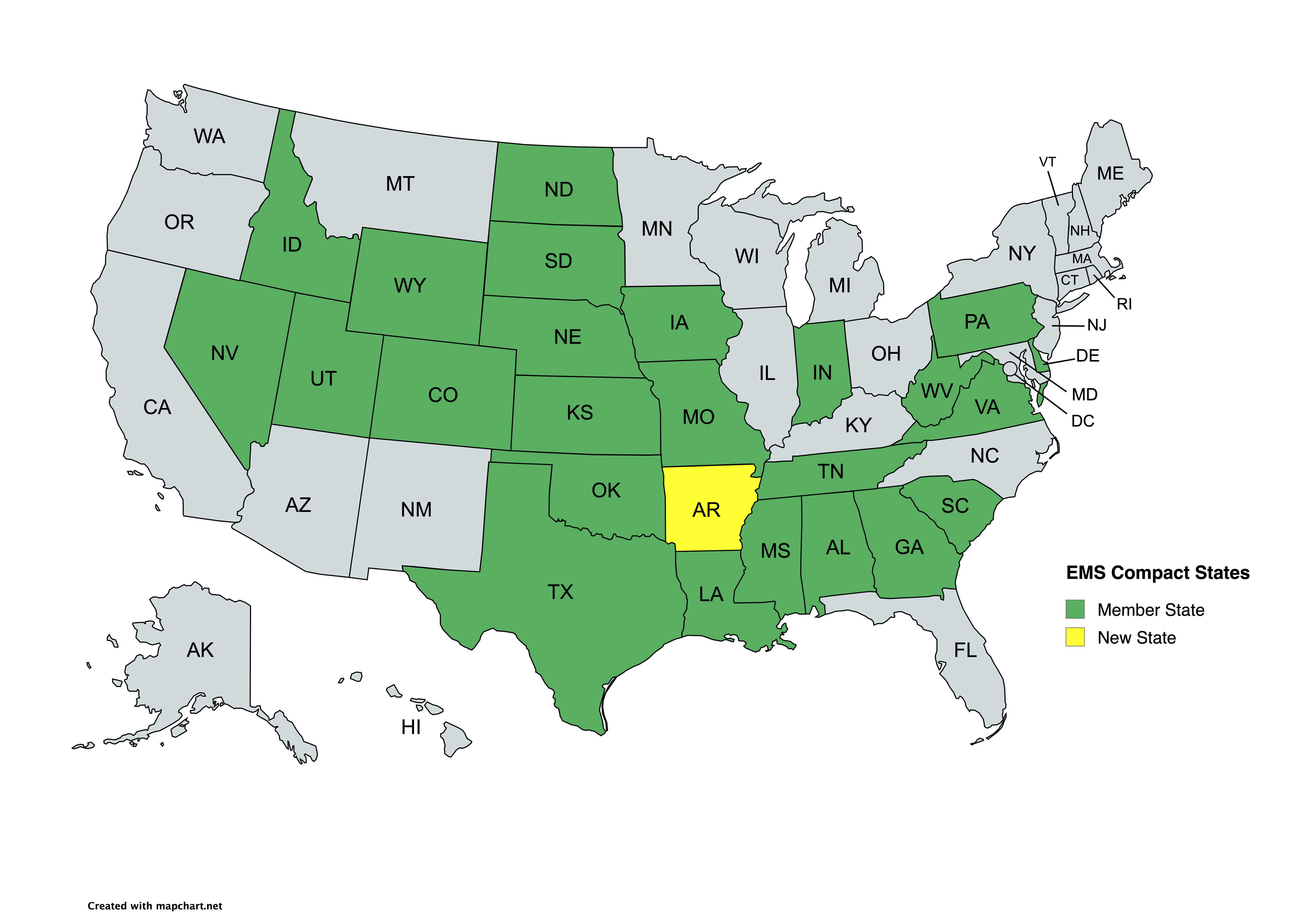
The REPLICA model legislation was introduced in 2014, with ten states meeting the activation threshold by 2017. The National Association of State EMS Officials led development in response to federal requests to improve cross-border deployment for disasters, wildland fires, and border-area operations. By 2025, twenty-five states had enacted the Compact, extending a Privilege to Practice to more than 400,000 EMTs and paramedics at no cost. The CMS Rural Health Transformation Program explicitly awarded bonus points to states with EMS Compact membership, prompting non-member states such as Florida to introduce legislation to join.

EMS Compact: What Is the EMS Compact?

REPLICA Model Legislation

Crisis Standards of Care Implemented for EMS

In response to overwhelming demand during the COVID-19 pandemic, EMS systems across the U.S. activated Crisis Standards of Care (CSC) to prioritize resources and guide ethical decision-making. These standards helped EMS providers deliver care when staffing, equipment, and hospital capacity were critically constrained.
Read more

On May 28, 2020, the National Highway Traffic Safety Administration (NHTSA) and ASPR TRACIE hosted a national EMS webinar titled “Crisis Standards of Care and COVID-19: What EMS Needs to Know.” The session addressed legal protections, triage models, EMS roles in surge response, and tools for developing local CSC protocols.

View webinar and resources

CMS Launches ET3 Model and COVID-19 Treatment-in-Place Waiver

In February 2020, the CMS Center for Medicare and Medicaid Innovation selected 205 ambulance agencies to participate in the Emergency Triage, Treat, and Transport (ET3) model, the first federal initiative to reimburse 911 services for treating patients on scene or transporting them to alternative destinations. Months later, CMS issued a separate COVID-19 pandemic waiver extending treatment-in-place reimbursement to all Medicare ground ambulance providers nationwide, dramatically accelerating adoption of the concept.
Read more

ET3 offered two new Medicare payment pathways: transport to alternative destinations such as urgent care centers, and treatment in place delivered on scene or via telehealth. The pandemic waiver demonstrated treat-in-place viability at a scale far beyond the original pilot. CMMI terminated the ET3 model in December 2023 after data showed over one billion dollars in potential savings. The model's legacy directly informed the treat-in-place provisions of the 2025 Rural Health Transformation Program and ongoing congressional efforts to establish permanent Medicare reimbursement for EMS care without transport.

CMS Innovation Center: ET3 Model

CMS COVID-19 Treatment-in-Place Waiver (PDF)

West Virginia, Indiana, and Iowa Enact EMS Compact Legislation

West Virginia, Indiana, and Iowa enacted REPLICA as state law in early 2020, bringing total Compact membership to nineteen states. All three adoptions took effect within days of the Compact's operational declaration on March 15, enabling their EMS clinicians to immediately exercise the Privilege to Practice during the emerging COVID-19 pandemic response.
Read more

West Virginia: WV Code § 16-60-1 (effective Mar. 5, 2020)
Indiana: IN Code § 16-31.5 (effective Mar. 11, 2020)
Iowa: IA Code § 147D.1 (effective Mar. 11, 2020)

Cumulative EMS Compact member states: 19.

2021 4 events

Driverless Medical Transport Pilot Project Launched

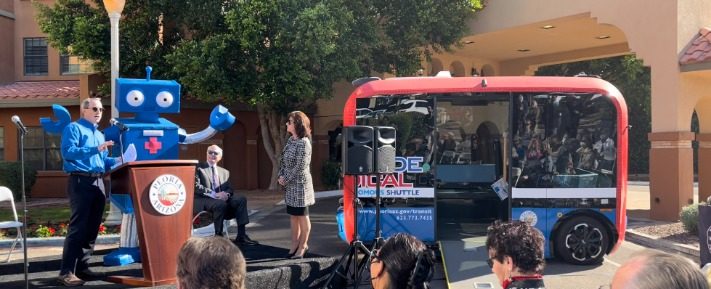
In 2021, the City of Peoria, Arizona launched an autonomous shuttle pilot program known as RoboRide Medical, designed to transport residents to and from medical appointments using driverless vehicle technology.
RoboRide Autonomous Medical Shuttle
Read more

The pilot program partnered with Beep and NAVYA to test the viability of autonomous vehicles in healthcare access, especially for older adults and underserved communities. The shuttle featured no steering wheel or pedals and operated on pre-mapped routes.

Read More from City of Peoria

Updated National EMS Education Standards Released

The National Highway Traffic Safety Administration (NHTSA) released the updated 2021 National EMS Education Standards, modernizing the framework for EMS clinician education across all certification levels.
Read more

The 2021 revision reflects advances in medical science, scope of practice updates, and national consensus on EMS roles and responsibilities. These standards serve as the foundation for curriculum development, national certification, and state licensure processes.

Read the 2021 Education Standards (PDF)

IBSC Launches Wilderness Paramedic Certification (WP-C)

In 2021, the International Board of Specialty Certification (IBSC) introduced the Wilderness Paramedic (WP-C) credential to formally recognize paramedics working in wilderness, remote, and austere environments. The WP-C exam includes 135 questions—110 scored and 25 unscored—administered over 2.5 hours. The test evaluates deep knowledge in wilderness medicine principles, environmental challenges, and austere care strategies. The WP-C represents a major step in professionalizing care delivery in extreme conditions worldwide.
Wilderness Paramedic Certification Logo
Source: International Board of Specialty Certification (IBSC)

Learn more about the WP-C credential

South Dakota and Louisiana Enact EMS Compact Legislation

South Dakota and Louisiana enacted REPLICA as state law in 2021, bringing total Compact membership to twenty-one states. Both adoptions occurred as the Compact demonstrated its value during sustained COVID-19 pandemic mutual aid deployments and interstate wildland fire responses.
Read more

South Dakota: SD Codified L § 34-11C-1 (effective Mar. 25, 2021)
Louisiana: LA Rev Stat § 40:1141 (effective July 1, 2021)

Cumulative EMS Compact member states: 21.

2022 5 events

Third Edition: National Model EMS Clinical Guidelines

The National Association of State EMS Officials (NASEMSO) released the third edition of the National Model EMS Clinical Guidelines, enhancing clinical consistency and evidence-based care across EMS systems nationwide.
Read more

The guidelines provide a foundation for states and agencies developing EMS protocols, supporting high-quality patient care regardless of geographic location or agency type. This edition reflects updates in clinical science, scope of practice changes, and feedback from across the EMS community.

View the Full 2022 Model Guidelines (PDF)

NEMSIS Version 3.5 Adopted

The newest version of the National EMS Information System (NEMSIS) dataset was released, expanding data capture fields to support improved analytics and performance measurement.

Maine Blue Ribbon EMS Commission Report

In December 2022, the Blue Ribbon Commission to Study Emergency Medical Services in the State of Maine released a comprehensive report addressing the EMS system's crisis conditions.
Read more

The Commission outlined the systemic collapse of rural EMS agencies, highlighting unsustainable reimbursement models, staffing shortages, and inequities in service delivery. It called for bold legislative and structural reforms to preserve EMS access across Maine.

Read the Full 2022 Maine EMS Report (PDF)

Joint Position: Prehospital Blood Transfusion Protocols

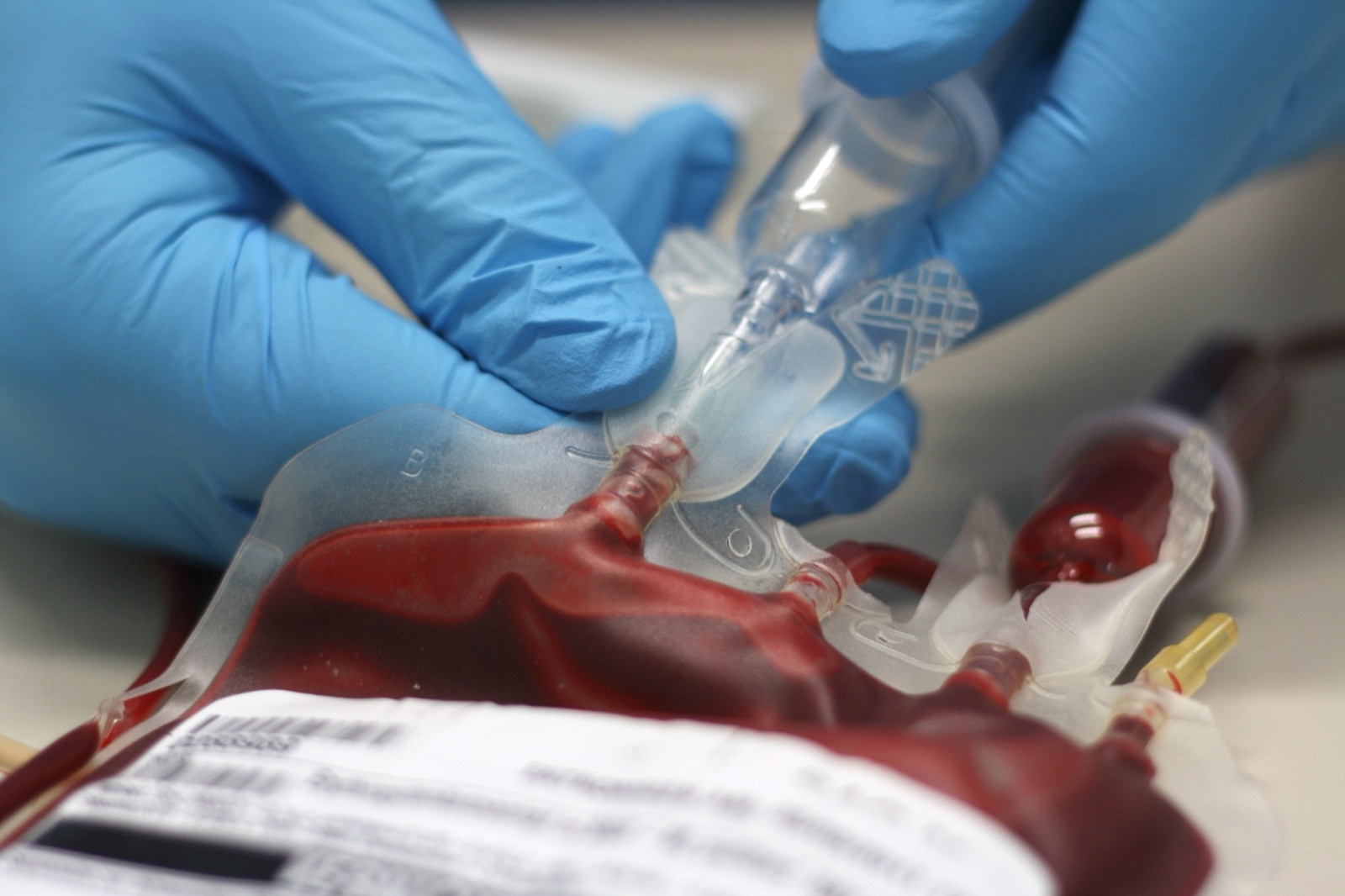
In 2022, the American College of Surgeons Committee on Trauma, the American College of Emergency Physicians, and the National Association of EMS Physicians issued a joint position statement supporting the use of prehospital blood product transfusion protocols. This guidance emphasized that transfusions administered in the field may significantly improve survival for patients experiencing hemorrhagic shock, and that EMS systems should consider implementing such protocols in appropriate settings.
Prehospital Blood Transfusion

Pennsylvania Enacts EMS Compact Legislation

Pennsylvania enacted REPLICA as state law through Act 35 of 2022, becoming the twenty-second EMS Compact member state and the first major northeastern state to join. Pennsylvania's adoption extended the Compact's geographic reach into the densely populated Mid-Atlantic corridor.
Read more

Pennsylvania: Pa. Act 35 of 2022 (effective July 7, 2022)

Cumulative EMS Compact member states: 22.

2023 10 events

Autonomous Ambulance Concept Designed by Students

In 2023, engineering students at Cedarville University unveiled prototype concepts for autonomous ambulances as part of a senior design project, exploring how AI, robotics, and advanced navigation systems might transform prehospital care delivery.
Read more

The student teams focused on safety, interior patient care design, and integration of AI for self-driving navigation and remote clinical oversight. Their models represent a step toward imagining how EMS transport may evolve in the coming decades.

Read more from Cedarville University
WDTN News Coverage

South Dakota EMS Sustainability Report Released

In 2023, the South Dakota Department of Health released its Regional Services Designation and Assessment report, capturing insights from over 400 EMS stakeholders and outlining strategies to address long-standing system challenges in rural and frontier communities. The report committed $7.5 million to ensuring no resident waits more than 30 minutes for ambulance response anywhere in the state.
Read more
  • Declining volunteerism and limited staffing capacity
  • Low call volumes impacting financial sustainability
  • Barriers to certification including concerns about NREMT testing
  • Use of statewide data (ImageTrend) to inform quality and training

Read the Full Report (PDF)

Adoption of Scaled Score Reporting

On June 1, the National Registry implemented scaled score reports for cognitive exams, providing more informative feedback to unsuccessful candidates and improving exam preparation and transparency.

Prehospital Blood Transfusion Initiative Coalition (PHBTIC) Launched

The Prehospital Blood Transfusion Initiative Coalition (PHBTIC) was established in 2023 as a national effort to address barriers to life-saving blood product use in the field, led by a multi-disciplinary steering committee including Dr. John Holcomb of the University of Alabama at Birmingham.
PHBTIC Logo
Read more
Mission: Advance access to and clinical use of blood transfusion in prehospital care through four key focus areas:
  • Establish federal and state reimbursement pathways for prehospital blood product use.
  • Expand EMS scope-of-practice to allow transfusions in all states.
  • Promote preparedness for mass casualty events and national defense.
  • Support outreach, education, protocols, and best practices for EMS agencies implementing transfusion programs.

Visit the PHBTIC Website | Read the NAEMT Press Release

DHS Publishes AI-Facilitated EMS Call Center Software Market Report

In December 2023, the U.S. Department of Homeland Security released a market survey evaluating AI-Facilitated EMS Call Center Software, highlighting emerging capabilities for triage, dispatch prioritization, and clinical decision support in EMS communications centers.
Read more

The report identified key vendors, capabilities, and implementation considerations for AI-powered software designed to improve call-taking accuracy, early cardiac arrest detection, and timely EMS activation. It also explored privacy, integration, and operational readiness challenges.

Read Full DHS Market Survey Report (PDF)

Ambulance Deserts Identified in U.S. EMS Landscape

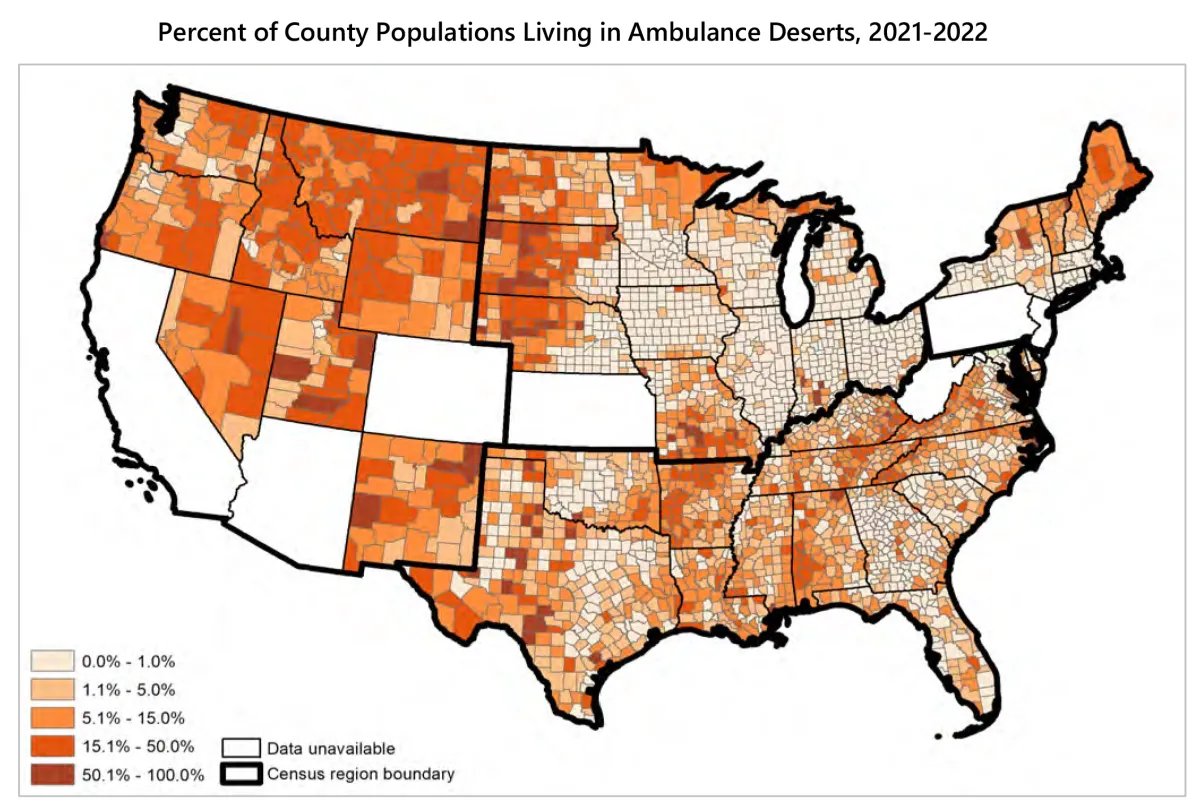
A landmark 2023 study revealed that over 4.5 million Americans live in "ambulance deserts" — areas where no ambulance station exists within a 25-minute drive. The study found 82% of U.S. counties had at least one ambulance desert, with 52% of affected residents in rural counties.
Ambulance Desert Map
Read more

Announcement to Discontinue ALS Psychomotor Examinations

The National Registry announced its intent to eliminate ALS-level psychomotor exams, shifting emphasis to cognitive assessments and reflecting advancements in EMS education and clinical verification.

EMS Compact Unveils Official Seal

The Interstate Commission for EMS Personnel Practice officially unveiled its new governmental seal in 2023, symbolizing its role as a state-authorized regulatory body under the U.S. Constitution, incorporating visual elements reflecting emergency care, public protection, and multistate cooperation.
EMS Compact Official Seal
Read more

The seal will be used on formal Commission documents, resolutions, and administrative rulemaking notices — reinforcing the Compact's legitimacy and public trust.

Read the full article

Nevada and Oklahoma Enact EMS Compact Legislation

Nevada and Oklahoma enacted REPLICA as state law in 2023, bringing total Compact membership to twenty-four states and expanding coverage into the western and southern plains regions.
Read more

Nevada: Nev. Rev. Stat. § 450B (effective Oct. 1, 2023)
Oklahoma: OK Title 63 § 1-2205 (effective Nov. 1, 2023)

Cumulative EMS Compact member states: 24.

Colorado EMS Sustainability Task Force Report Released

Colorado's EMS System Sustainability Task Force released its Phase 1 Report in 2023, identifying foundational challenges threatening EMS delivery across the state including funding gaps, workforce retention concerns, and barriers to equitable EMS access in rural areas.
Read more

This report highlights systemic funding gaps, workforce retention concerns, and critical barriers to equitable EMS access in rural areas. It serves as a blueprint for long-term EMS policy reform in Colorado.

Read the Full Colorado EMS Sustainability Report (PDF)

December 2023 2 events

EMS Compact Publishes Biometric Criminal History Check Position Paper

The Interstate Commission for EMS Personnel Practice issued Position Paper 2023-01, calling on all states, territories, and jurisdictions to urgently implement uniform FBI-compliant biometric criminal history record checks for EMS licensure.
EMS Compact Logo
Read more

This paper outlines the legal, operational, and public safety rationale for standardizing background checks across the EMS profession, enhancing interstate mobility and workforce trust.

Read Full Position Paper

2024 8 events

ONDCP Launches National Drug Overdose Surveillance Dashboard

On August 7, 2024, the White House Office of National Drug Control Policy unveiled the Drug Overdose Surveillance Dashboard, integrating CDC mortality data with real-time EMS data from NEMSIS to provide an unprecedented view of the nation's overdose crisis.
Read more

The system merges provisional fatal overdose data from CDC's National Center for Health Statistics with suspected nonfatal overdose incidents from prehospital EMS records, submitted by 57 vital statistics jurisdictions.

Access the Dashboard

Launch of Updated AEMT and Paramedic Exams

NREMT launched new certification exams without the ALS psychomotor requirement, streamlining the path to licensure and aligning testing with modern educational practices.

All 50 States Recognize National Registry Certification

New York became the final state to recognize National Registry certification in 2024, completing a nationwide framework for consistent EMS credentialing and licensure mobility across all 50 states.

First AI Charting Solution for EMS Launched

On May 27, 2024, Mediwave launched the nation's first purpose-built AI charting platform for EMS, using voice recognition and AI transcription to streamline documentation and enhance clinician efficiency.
Read more

Read the full article on EMS-History.com

Watch Donnie Woodyard Jr., MAML, NRP, demonstrate Mediwave Smart EMS in action:

FAA Reauthorization Act Includes First-Ever Advanced Air Mobility Title

The FAA Reauthorization Act of 2024 (P.L. 118-63) included, for the first time, a subtitle dedicated to Advanced Air Mobility — authorizing Airport Improvement Program funding for eVTOL charging infrastructure and establishing the regulatory foundation for electric aircraft operations, including medical transport.
Read more

The Act also expanded workforce development funding for future AAM pilots and maintainers, creating the legal and financial framework under which eVTOL medical transport partnerships could advance toward operational reality.

View the legislation on Congress.gov

Prehospital Blood Transfusion Programs Expand Across U.S. EMS Systems

By fall 2024, thirty-eight states permitted paramedic-initiated blood transfusion in the field — a dramatic expansion from near-zero civilian ground EMS programs a decade earlier. The ACS estimated the intervention could save 10,000 lives annually.
Read more

Military trauma research — particularly the 2018 PAMPer trial — provided foundational evidence that early blood product resuscitation reduced mortality by 48% in hemorrhagic shock. Despite rapid growth, only 2–3% of U.S. ground EMS agencies had operational blood programs by late 2024, with approximately 30% annual growth.

NHTSA EMS.gov: Prehospital Blood Transfusion

ACS: Improving Access to Prehospital Blood May Save 10,000 Lives a Year

EMS Compact Adopts Code of Conduct and Forms Advisory Committees

On October 16, 2024, the Interstate Commission unanimously adopted the Privilege to Practice Code of Conduct, establishing uniform ethical and professional standards for EMS clinicians operating across Compact member states. Two new advisory committees were also created to engage NGOs, EMS associations, and federal partners.
Read more

National Registry Launches New Exams for Paramedics and AEMTs

On July 1, 2024, the NREMT launched new certification examinations for AEMTs and Paramedics — reflecting years of planning, field validation, and alignment with evolving clinical expectations, and completing the transition away from ALS psychomotor requirements.
New NREMT Exam Announcement Banner
Read more

The new format emphasizes real-world competencies and updated domain structures that mirror the modern out-of-hospital care environment.

View Official Announcement

2025 8 events

Wyoming EMS System Report Released

In June 2025, the Wyoming Department of Health published a groundbreaking report offering a comprehensive review of Ground Emergency Medical Services across the state. The report provides data-driven insights into system performance, funding models, personnel challenges, and rural service gaps.
Read more

This assessment represents one of the most detailed state-level EMS reviews in recent years, highlighting both structural strengths and areas needing reform.

Read the Full 2025 Wyoming EMS Report (PDF)

Ground Ambulance Data Collection System (GADCS) Report Published

On January 15, 2025, the Centers for Medicare & Medicaid Services (CMS) released the first comprehensive analysis from the Medicare Ground Ambulance Data Collection System (GADCS). Drawing on data from 3,712 EMS organizations selected in Years 1 and 2, the report offers unprecedented transparency into the true cost structure of EMS operations nationwide.
  • Labor Costs (69%) – Salaries, benefits, and training dominate EMS expenses.
  • Vehicle Costs (10%) – Includes maintenance, fuel, and depreciation.
  • Facilities (4%) – Station operations and overhead.
  • Equipment & Supplies (4%) – Essential tools for readiness and patient care.
  • Other Costs (13%) – Contracted services, licensing, continuing education, and more.
February 2025 1 event

EMS Compact Adopts Workforce Privacy Protection Position Paper

On February 19, 2025, the Interstate Commission for EMS Personnel Practice formally adopted Position Paper 2025-01, emphasizing the protection of Personally Identifiable Information (PII) and licensure data of EMS clinicians.
EMS Compact Logo
Read more

The Commission reinforced its commitment to data security, advocating for uniform privacy practices among states and urging alignment with federal law and cybersecurity best practices. This initiative addresses rising threats to EMS workforce data and strengthens trust in licensure systems.

Read Full Position Paper

2025 8 events

National Registry Launches Updated BLS Certification Examinations

In 2025, the National Registry of EMTs launched a modernized version of the Basic Life Support (BLS) certification examinations, reflecting updated clinical practices and operational demands.
Read more
  • Scene Size-Up and Safety
  • Primary Assessment
  • Secondary Assessment
  • Patient Treatment and Transport
  • Operations

These revisions are based on extensive input from industry subject matter experts (SMEs) and better align the exam content with the real-world responsibilities of EMRs and EMTs.

Read Official Announcement

San Bernardino County Tests Paramedic VTOL Aircraft

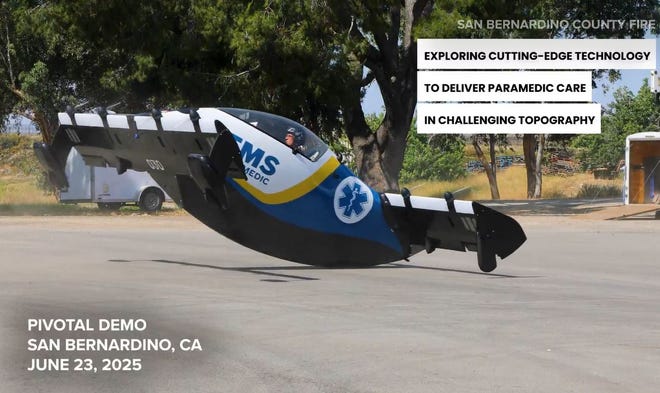
In 2025, San Bernardino County introduced a pilot program using a Vertical Takeoff and Landing (VTOL) aircraft to expand paramedic emergency response capabilities in remote and hard-to-reach terrain.
San Bernardino County VTOL aircraft
Read more

The VTOL aircraft, developed in partnership with aerospace innovators, aims to reduce response times and extend critical care delivery in mountainous regions. It marks a bold step toward aerial EMS innovation and rural access improvement.

AHA Publishes 2025 Guidelines for CPR and Emergency Cardiovascular Care

In October 2025, the American Heart Association published its most comprehensive resuscitation guidelines revision to date, issuing 760 recommendations across adult, pediatric, and neonatal life support. Developed with the International Liaison Committee on Resuscitation, the guidelines established a unified six-link Chain of Survival across all populations and recommended on-scene resuscitation for out-of-hospital cardiac arrest over premature transport. The update also formally endorsed public access to naloxone alongside AEDs in community response systems.
Read more

The 2025 guidelines succeeded the 2020 edition and incorporated focused updates issued in 2022, 2023, and 2024. Key EMS-relevant changes included evidence supporting double-sequential defibrillation for refractory ventricular fibrillation, time-dependent benefit of early amiodarone administration, and expanded guidance on CPR-induced consciousness. Only 1.4% of the 760 recommendations were supported by Level A evidence from high-quality randomized trials, underscoring the continued challenge of conducting rigorous prehospital resuscitation research. For the first time, AHA guidelines formally addressed clinician well-being and burnout mitigation as components of post-cardiac arrest systems of care.

AHA: CPR and ECC Guidelines

Circulation: 2025 Guidelines Executive Summary

Arkansas Enacts EMS Compact Legislation

Arkansas enacted REPLICA as state law, becoming the twenty-fifth EMS Compact member state. The adoption came as the CMS Rural Health Transformation Program's scoring criteria incentivized Compact membership, with non-member states receiving lower scores in federal funding applications. Half of all U.S. states were now bound by the interstate EMS licensure agreement.
Read more

Arkansas: Ark. Code Ann. § 20-13-1901 et seq. (effective Mar. 20, 2025)

Cumulative EMS Compact member states: 25.

EMS Compact Reaches 25 Member States

With Arkansas joining through HB 1253, the EMS Compact reached 25 member states, marking a significant milestone in achieving real-time licensure mobility and coordinated disaster response.
Read more

Senator John Barrasso Honors Wyoming's 50th EMS Conference

On August 21, 2025, Senator John Barrasso offered warm greetings at the 50th Anniversary of the Wyoming Trauma & Emergency Medical Services Conference, held in Cheyenne, Wyoming. In this moving address, he read aloud his remarks from the Senate's Congressional Record, celebrating the growth and impact of this vital statewide event.
Read more

Senator Barrasso underscored the essential role of EMS in Wyoming communities, highlighting stories from local newspapers that showcased the lifesaving dedication of EMS clinicians. He concluded by reading his official entry into the Congressional Record, ensuring national recognition of the conference's historic milestone.

Watch: Sen. Barrasso's Address – YouTube

Read: Congressional Record – Recognition of Wyoming EMS

$50 Billion Rural Health Transformation Program Launched — EMS Recognized as Rural Safety Net, EMS Compact Incentivized in Federal Scoring

CMS launched the Rural Health Transformation Program (RHTP), a $50 billion, five-year initiative established under P.L. 119-21 to strengthen healthcare in rural communities. The program's Notice of Funding Opportunity explicitly included EMS among its strategic priorities — funding treat-in-place models, mobile health units, workforce development, and emergency care coordination. Critically, the NOFO scoring framework awarded bonus points to states that had enacted interstate licensure compacts, including the EMS Compact (REPLICA), and states that had not joined received lower scores on their applications.
Read more

All 50 states submitted applications by November 5, 2025, and CMS announced awards on December 29, 2025, ranging from $147 million to $281 million per state in the first year. The compact-based scoring mechanism had immediate policy effects: Florida introduced HB 693 in 2026 to enact the EMS Compact specifically to maximize future RHTP funding. The RHTP represents the largest federal investment ever directed at rural health — and the first to formally incentivize EMS Compact membership as a condition of competitive scoring.

HHS Press Release: CMS Announces $50 Billion in Awards

CMS Rural Health Transformation Program

United States EMS Compact (REPLICA)

December 2025 2 events

BETA Technologies CEO Testifies Before Congress on eVTOL Medical Transport

BETA Technologies founder and CEO Kyle Clark testified before the U.S. House Subcommittee on Aviation on December 3, 2025, disclosing that BETA originally designed its eVTOL aircraft around medical and interfacility transport — including organ delivery, emergency logistics, and inter-hospital patient transfer — marking an inflection point in the convergence of Advanced Air Mobility and EMS.
Read more

BETA's first customer, United Therapeutics, funded early development specifically for organ transport. By late 2025, Metro Aviation had ordered up to 20 ALIA eVTOL aircraft for inter-hospital and scene response across 42 programs in 27 states. BETA also partnered with HHS/ASPR under a $20 million contract to deploy eVTOL charging infrastructure along the Gulf Coast.

Read Kyle Clark's full written testimony (PDF)

Metro Aviation–BETA eVTOL partnership announcement

2026 1 event

DEA Publishes Final Rule Implementing PPAEMA, Establishing National EMS Controlled Substance Framework

On February 5, 2026, the DEA published its final rule implementing the Protecting Patient Access to Emergency Medications Act of 2017. Effective March 9, 2026, the rule established a dedicated DEA registration category for EMS agencies, codified controlled substance storage requirements, formalized standing and verbal order authority, and created hospital restocking protocols — replacing over a decade of inconsistent state-by-state interpretation.
Read more

The rule required EMS agencies to notify the DEA of all designated storage locations at least 30 days before initial delivery, permitted field carriage in jump bags during active emergencies, and mandated secure locked storage when not on a call. It also allowed hospitals and EMS agencies to transfer controlled substances during shortages, public health emergencies, or mass casualty events.

NAEMSP: DEA Releases Final PPAEMA Rule

Federal Register: PPAEMA Proposed Rule (2020)