About This Collection: This is an initial collection of the men and women who have influenced the development of Emergency Medical Services in the United States. It is certainly not an all-inclusive list—many more names can and will be added over time. Some of these pioneers have passed away, while others are still living and actively contributing to our profession. If you know someone whose name should be included, please reach out and let us know.
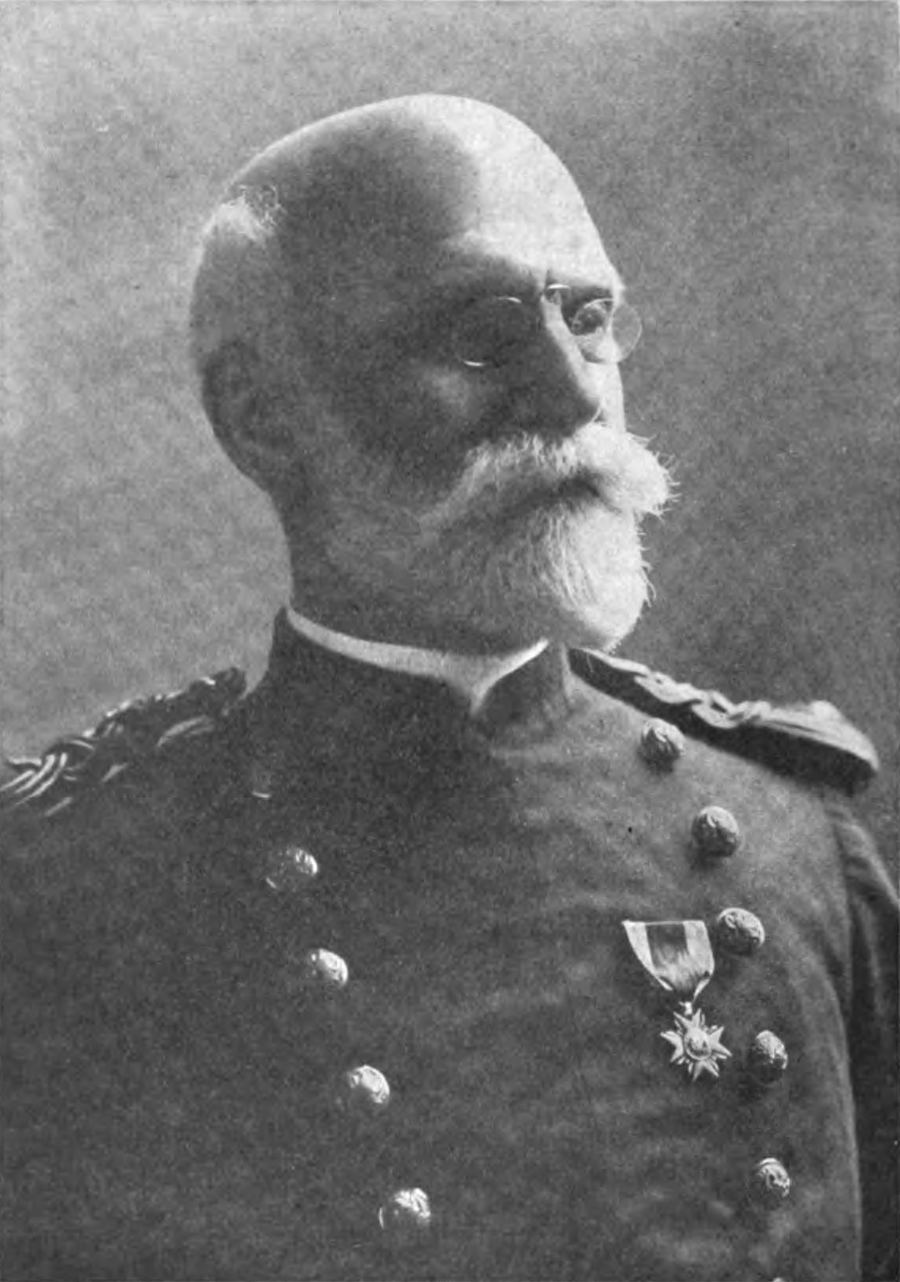 Charles Henry Alden (1836–1906)
Long before civilian ambulances answered a call, the work of organized emergency care belonged to the military hospital and ambulance corps, and how to train those men well was still an open question. Charles Henry Alden, a Philadelphia-born Army surgeon who earned his medical degree in 1858 and entered the Medical Corps on the eve of the Civil War, spent his career pressing for a more definite system of instruction. He rose to Assistant Surgeon-General of the United States Army and, when the Army Medical School was founded in 1893, became its first president, shaping the formal preparation of the physicians and hospital corpsmen who cared for the sick and injured.
In 1896 Alden set down an account of how the hospital and ambulance corps of the federal and state services were then being taught, believing that too little was generally known about it and that a clear survey would point the way to improvement. That concern for a deliberate, teachable standard of field care places him among the distant forebears of modern EMS education. He retired in 1900, was advanced to brigadier general on the retired list in 1904, and died in 1906.
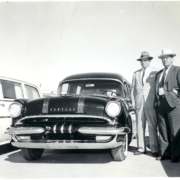 Gordon K. Allen
A legend in ambulance vehicle sales and manufacturing, Gordon K. Allen established the southwest distributorship for Superior Coaches in Dallas during the 1950s, selling hearses, combination cars, and ambulances to the funeral homes that provided emergency transport across Texas. As funeral homes transitioned out of ambulance service, Allen foresaw the need for purpose-built emergency vehicles and founded the Modular Ambulance Corporation (MAC) in 1969. His companies produced the "Modulance," a modular fiberglass-body ambulance—often mounted on truck chassis—that reflected emerging federal standards and was widely adopted across the Southwest, serving major fire departments in Houston, Dallas, San Antonio, and Fort Worth. Allen's innovations helped transform emergency transport from converted hearses into dedicated, professionally equipped medical vehicles.
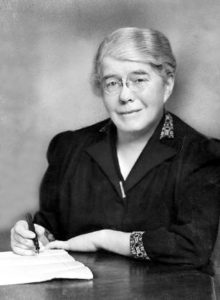 Dr. Emily Dunning Barringer (1876–1961)
The first woman ambulance surgeon in the United States, Dr. Emily Dunning Barringer broke gender barriers in medicine and prehospital care at the turn of the 20th century. Appointed to Gouverneur Hospital in New York City in 1903, she faced intense discrimination from male colleagues, hostile crowds, and institutional skepticism—yet persisted in performing emergency responses across the city on horse-drawn ambulances.
Because no women’s uniform existed for ambulance surgeons, Dr. Dunning designed her own: custom white duck skirts with large pockets for instruments, long-sleeved shirtwaist blouses, low-necked linen jackets, and a navy-blue cap with “GOUVERNEUR HOSPITAL” in gold letters. She learned to board the ambulance in a skirt from driver Dick Bateman, who taught her to step up, swing her feet over the tailboard, and whirl herself around in one motion. On her first night, crowds on the East Side jeered and small boys ran alongside yelling “Get a man, get a man!”—but she persisted, climbing rope ladders into ship holds and treating patients in tenement buildings across Lower Manhattan.
Dr. Barringer later became a national advocate for women in medicine and played a key role in recruiting female physicians for the U.S. military during World War I. Her autobiography, Bowery to Bellevue (1950), and the biography First Woman Ambulance Surgeon by Iris Noble (1962), document her pioneering career in vivid detail.
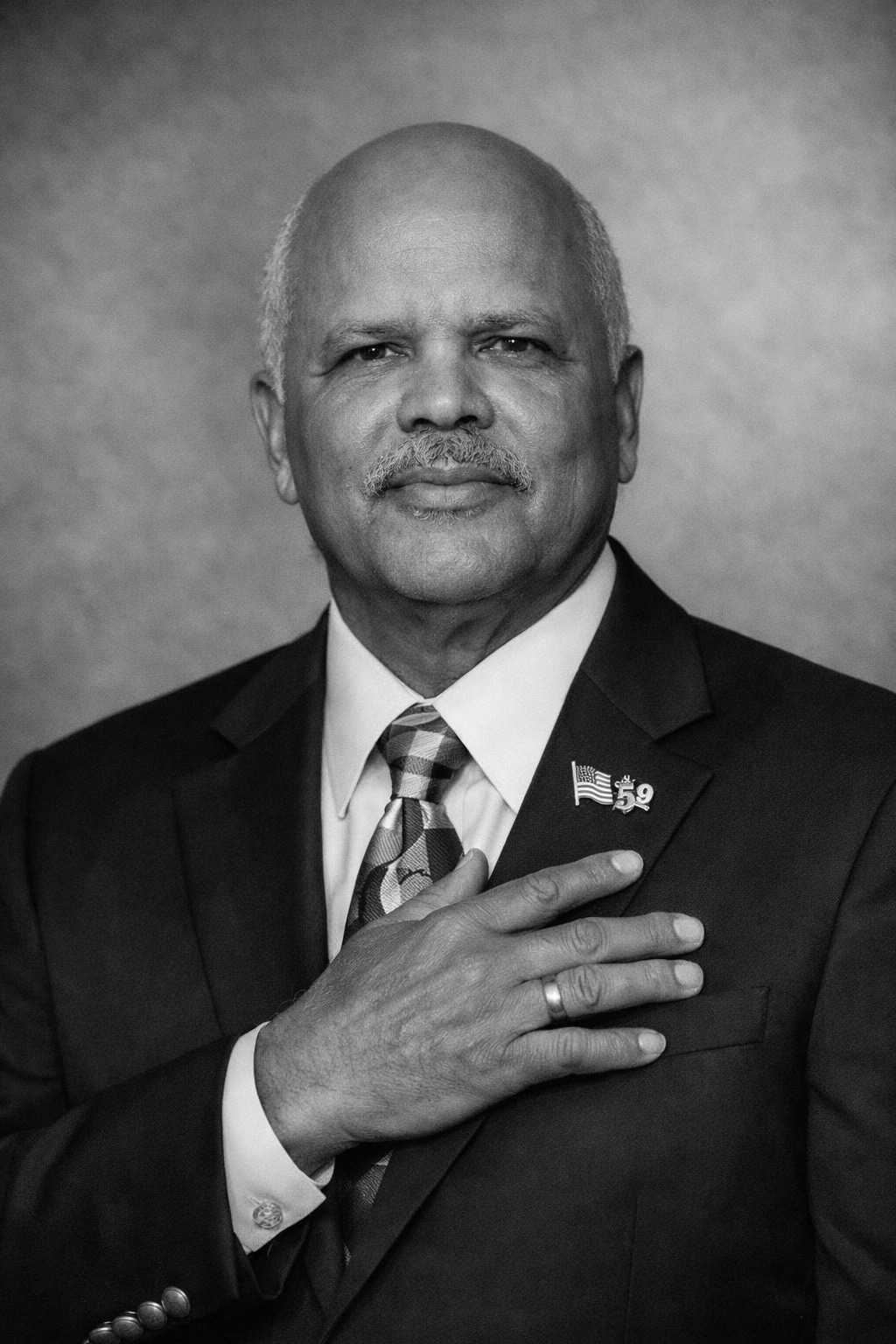 Ray Bias
A former two-term Chair of the National Registry of EMTs (NREMT), Ray Bias has played a critical role in shaping national EMS standards, advocating for professional excellence, and strengthening EMS leadership nationwide. In 2001, he was honored with the Rocco V. Morando Lifetime Achievement Award, one of EMS's highest distinctions. He is also recognized for his long tenure with Acadian Ambulance and contributions to EMS development in Louisiana.
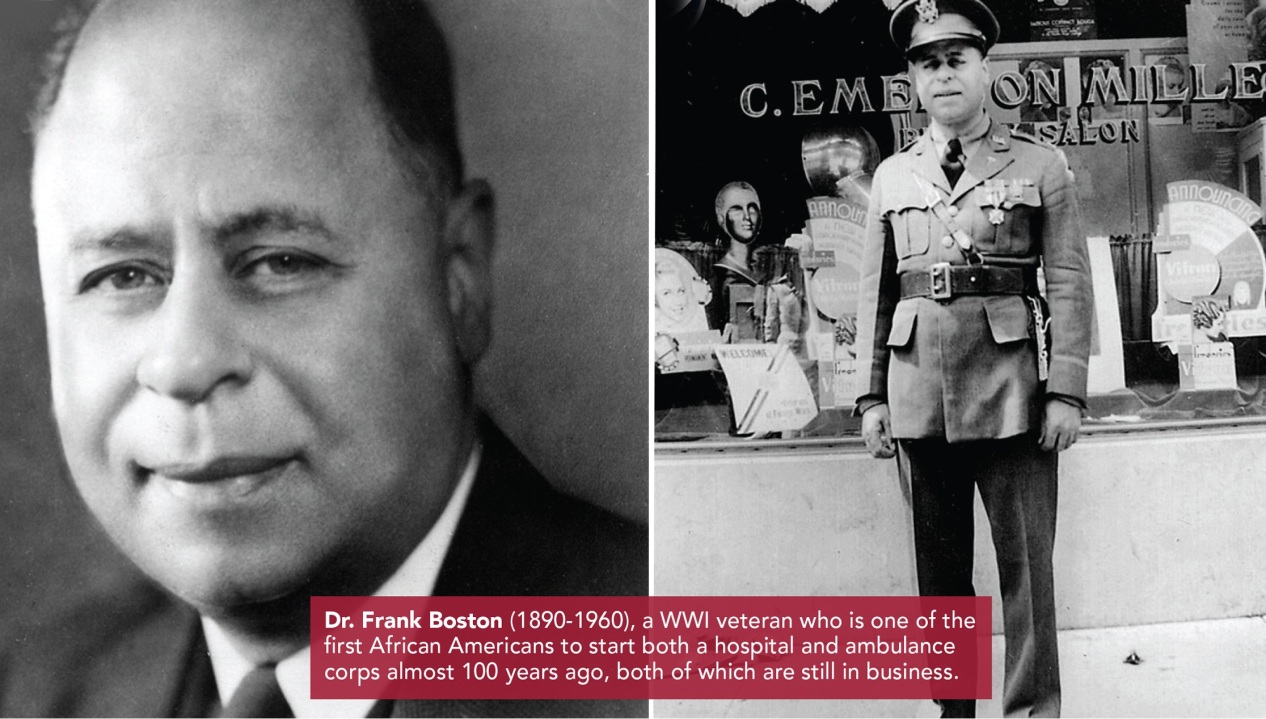 Dr. Frank E. Boston (1890–1960)
One of the first African Americans to found both a hospital and an ambulance corps in the United States, Dr. Frank Erdman Boston was a World War I veteran who served as a medical officer with the 92nd "Buffalo" Division in France. After serving in the Meuse-Argonne Offensive—the largest American military engagement of the war—Dr. Boston returned home and settled in Lansdale, Pennsylvania, where his wartime experience shaped a lifelong commitment to emergency medicine and community health. He founded the Volunteer Medical Services Corps in 1933 and the Elm Terrace Hospital in 1934—both of which remain in operation today, the hospital as part of Jefferson Health and the ambulance corps still serving the community. He received presidential citations from both Harry S. Truman and Dwight D. Eisenhower for his service.
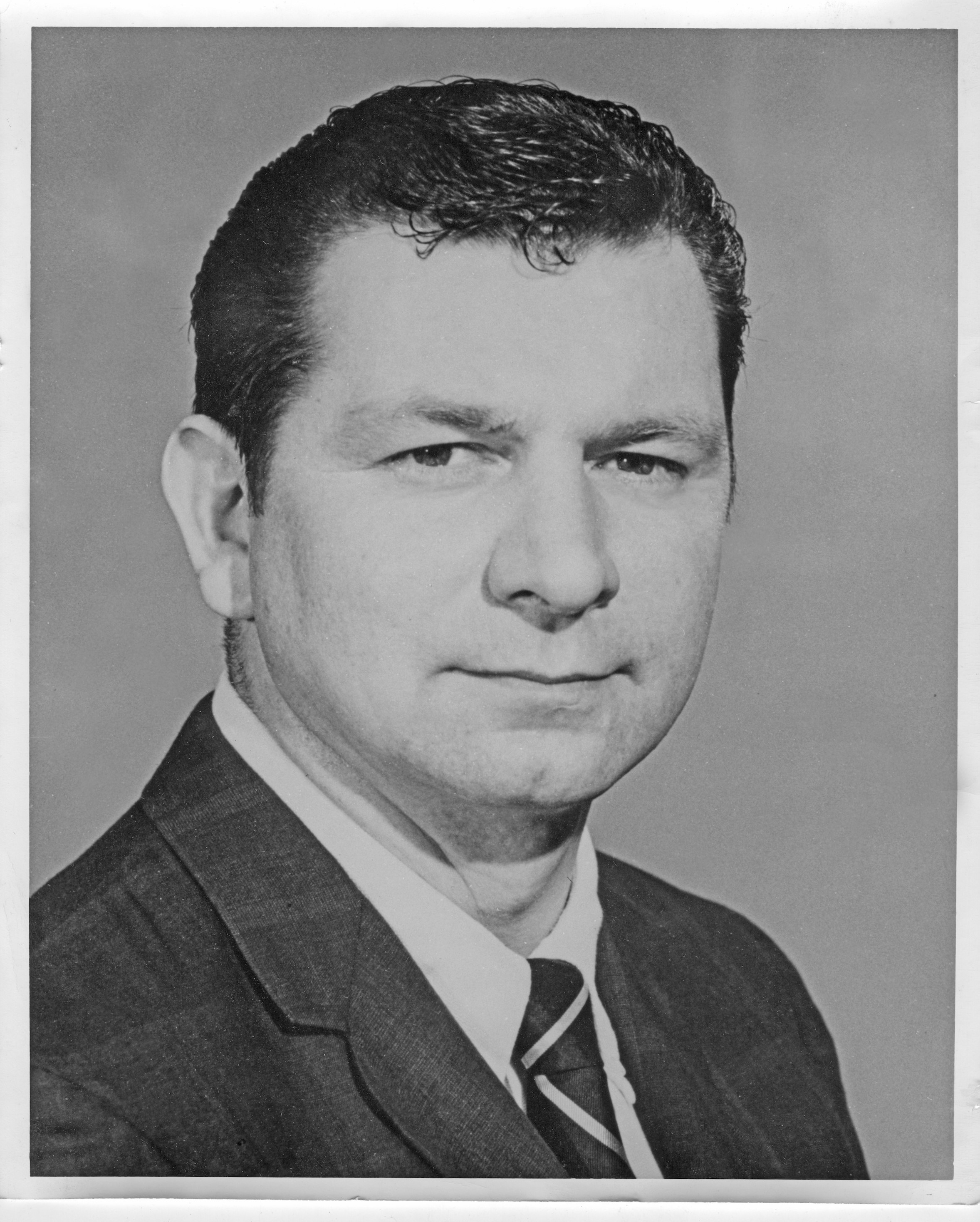 Dr. David R. Boyd, MDCM
No single physician did more to give the United States a federal EMS system than David R. Boyd. As a surgical resident he held the first shock trauma fellowship at the Maryland Institute for Emergency Medical Services Systems under R Adams Cowley, and he went on to become the first resident director of the fledgling trauma unit at Chicago's Cook County Hospital. In 1970 he built a statewide EMS plan for Illinois that sorted every hospital in the state into a three-tier scheme of regional, area-wide, and local facilities. As Illinois' Emergency Medical Director and Disaster Officer he then implemented that plan, adding new categories of personnel, new training, new ambulance standards, a pioneering helicopter program, and the MERCI radio network that linked fire, police, emergency, and disaster agencies to one another. In 1972 Boyd and his colleagues won a federal contract to expand the Illinois model beyond trauma, work that led directly to the EMS Systems Act of 1973. President Ford appointed him National Director of Emergency Medical Services Systems in 1974, and from that post he administered the grants, technical assistance, and uniform operating structure that built EMS systems across the country. He left the federal government in 1983 for private consulting, returned to clinical practice in 1991 as General Surgeon for the Blackfeet Nation, and served as National Trauma Systems Coordinator in the Indian Health Service from 2006 to 2012.
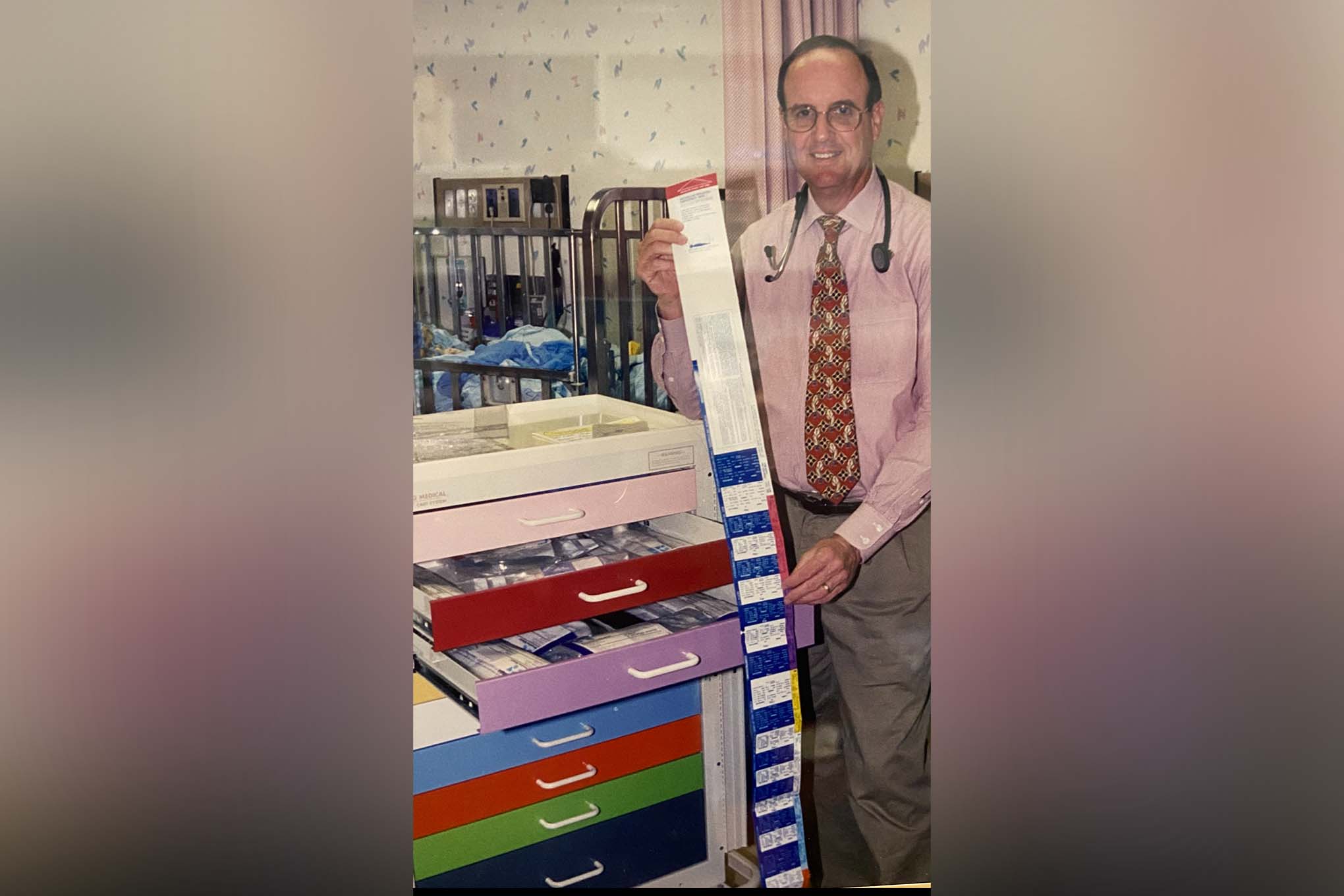 Dr. James Barry Broselow (1943–2025)
A pioneering emergency physician, innovator, and co-developer of the Broselow Tape, Dr. Broselow transformed pediatric emergency care. Introduced in 1985 with Dr. Robert Luten, the tape standardized medication dosing and equipment sizing for children—dramatically reducing errors during high-stress EMS and ED scenarios. His invention remained a global standard nearly 40 years later.
 Dr. Nancy Caroline (1944–2002)
A pioneering EMS physician, Dr. Caroline served as the first medical director of the Freedom House Ambulance Service in Pittsburgh—an early paramedic program led by African American EMTs. She later authored the landmark EMT training manual Emergency Care in the Streets, which remains a foundational EMS text worldwide.
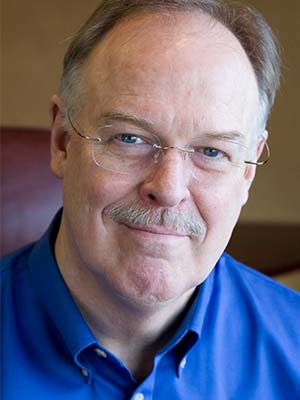 Dr. Jeff Clawson
Dr. Jeff Clawson revolutionized emergency communication by developing structured Emergency Medical Dispatch (EMD) protocols—transforming dispatchers into trained first responders. His system guides callers through standardized triage questions and delivers lifesaving pre-arrival instructions for everything from CPR to childbirth.
In 1988, Clawson founded the International Academies of Emergency Dispatch (IAED), now used in over 3,600 communication centers across 46 countries, handling 80 million calls annually. In 2013, he launched the College of Emergency Dispatch to advance dispatcher education and professional standards globally.
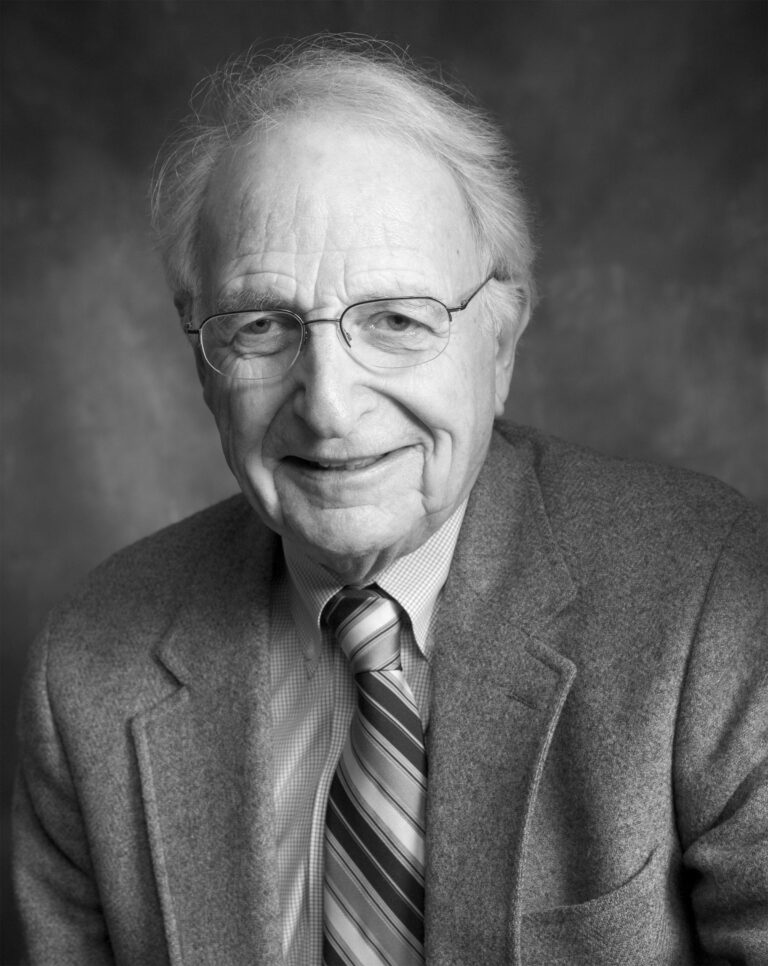 Dr. Leonard Cobb (1926–2023)
Co-founder of Seattle's Medic One program, Dr. Leonard Cobb was a visionary in the development of prehospital cardiac care. In 1970, he helped launch the Medic One paramedic program at Harborview Medical Center—establishing one of the nation's first advanced life support systems staffed by physician-trained paramedics. A year later, he pioneered the first bystander CPR training program for the public, dramatically expanding the role of civilians in emergency response. His model became the global gold standard for EMS cardiac care.
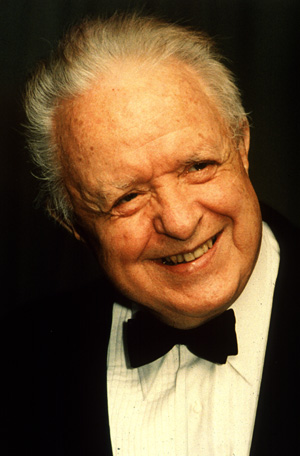 Dr. R. Adams Cowley (1917–1991)
A trauma surgeon who pioneered the concept of the "Golden Hour" in emergency care, Cowley founded the Maryland Institute for Emergency Medical Services Systems (MIEMSS) and the Shock Trauma Center in Baltimore, helping to shape the modern trauma system model in the United States.
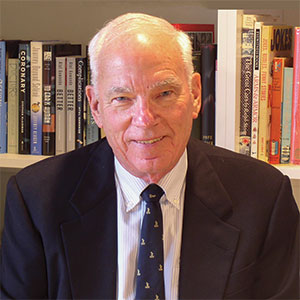 Dr. J. Michael Criley
Founder of the Los Angeles County Paramedic Program in 1969, Dr. J. Michael Criley demonstrated that well-trained civilian personnel could deliver coronary care–level emergency treatment in the field. His initial class at Harbor General Hospital consisted of 18 firefighters from the Los Angeles County and City Fire Departments. When existing laws prohibited paramedics from providing advanced care, Criley worked alongside L.A. County Supervisor Kenneth Hahn to secure passage of California's Wedsworth-Townsend Act. Supporters later recounted that Governor Ronald Reagan was moved to support the bill after learning its provisions could have prevented tragedies like his own father's death, when an ambulance was prohibited from crossing jurisdictional lines to render aid. Criley also founded the Los Angeles County Paramedic Training Institute, which continues its mission today, and served as Chief of the Division of Cardiology at Harbor-UCLA Medical Center for 20 years.
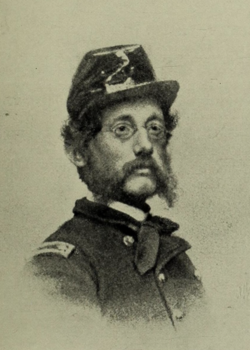 Dr. Edward Barry Dalton (1834–1872)
A Civil War physician turned public health pioneer, Dr. Dalton revolutionized emergency transport by designing a military ambulance with shock-absorbing suspension. After the war, on the recommendation of General Ulysses S. Grant, Dalton launched New York City's first municipal ambulance service in 1869 during a cholera outbreak. His horse-drawn Bellevue ambulances introduced essential innovations—rolling stretchers, emergency medical kits, and rapid dispatch systems—that became models nationwide.
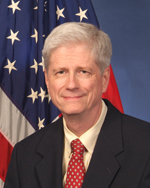 Drew E. Dawson
A nationally respected leader in EMS policy and education, Drew E. Dawson served as Chair of the National Registry of EMTs and later as Director of the NHTSA Office of EMS. His leadership advanced EMS workforce standards, rural access initiatives, and national integration of EMS into the broader healthcare and public safety systems. He is known for fostering collaboration across agencies and for championing clinician development and system accountability.
 Dr. A. I. Doktorsky
Dr. A. I. Doktorsky served on both the President's Commission on Emergency Medical Services and the AMA Committee on EMS, representing the American Academy of Family Physicians. His work ensured that family medicine played a key role in shaping the collaborative, interdisciplinary foundation of the U.S. EMS system.
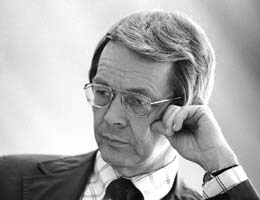 Karl William Edmark, MD (1924–1994)
Dr. Karl Edmark revolutionized cardiac care with the invention of the first direct current (DC) defibrillator, significantly improving survival rates from sudden cardiac arrest. His 1955 founding of Physio-Control led to widespread dissemination of defibrillation technology in hospitals and eventually into the field—laying the groundwork for modern prehospital cardiac response.
Dr. Edmark's innovation made defibrillation safer and more effective, becoming a cornerstone of emergency cardiovascular care. His legacy lives on through every shock that saves a life.
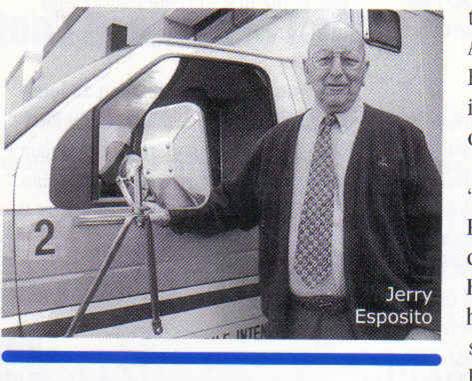 Jerry Esposito
One of the fathers of modern-day EMS in Pennsylvania, Jerry Esposito founded Citizens' Ambulance Service in Indiana, Pennsylvania in 1964, pioneering the community-owned, subscription-funded EMS model and the first countywide service in western Pennsylvania. He developed early EMT and paramedic training curricula, established the region's first ambulance-to-hospital radio communications, and his service was among the first to render successful field cardiac defibrillation.
Alongside Dr. Peter Safar, Esposito co-authored the seminal paper presented at the Airlie House Conference in 1968 calling for a national EMS certification body — recommendations that led directly to the creation of the NREMT in 1970. He founded the Pennsylvania Ambulance Association and the Paramedical Journal, organized EMS West (the first regional council of its kind in the U.S.), and received the 1985 Distinguished Achievement Award from the American Trauma Society. EMS West later named its Lifetime Achievement Award in his honor.
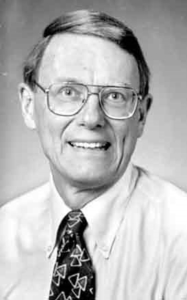 Dr. Ralph Feichter
A rural physician who helped build one of America's earliest paramedic programs in the mountains of North Carolina, Dr. Ralph Feichter read about Dr. Frank Pantridge's mobile coronary care work in Northern Ireland and saw its potential for his community in Haywood County. In 1968, he began training volunteers from the Haywood County Rescue Squad in advanced cardiac care—electrocardiography, arrhythmia recognition, pharmacology, and CPR—well before state legislation required it. By 1969, two mobile coronary care vehicles were operational out of Waynesville and Canton, staffed by volunteer paramedics working under Feichter's medical license. The program predated fire-based paramedic systems in Columbus, Los Angeles, and Seattle, yet went largely unnoticed outside the region until Jim Page wrote about it in his book Paramedics. Feichter's quiet innovation demonstrated that advanced prehospital care could thrive anywhere—even in Appalachian mountain communities.
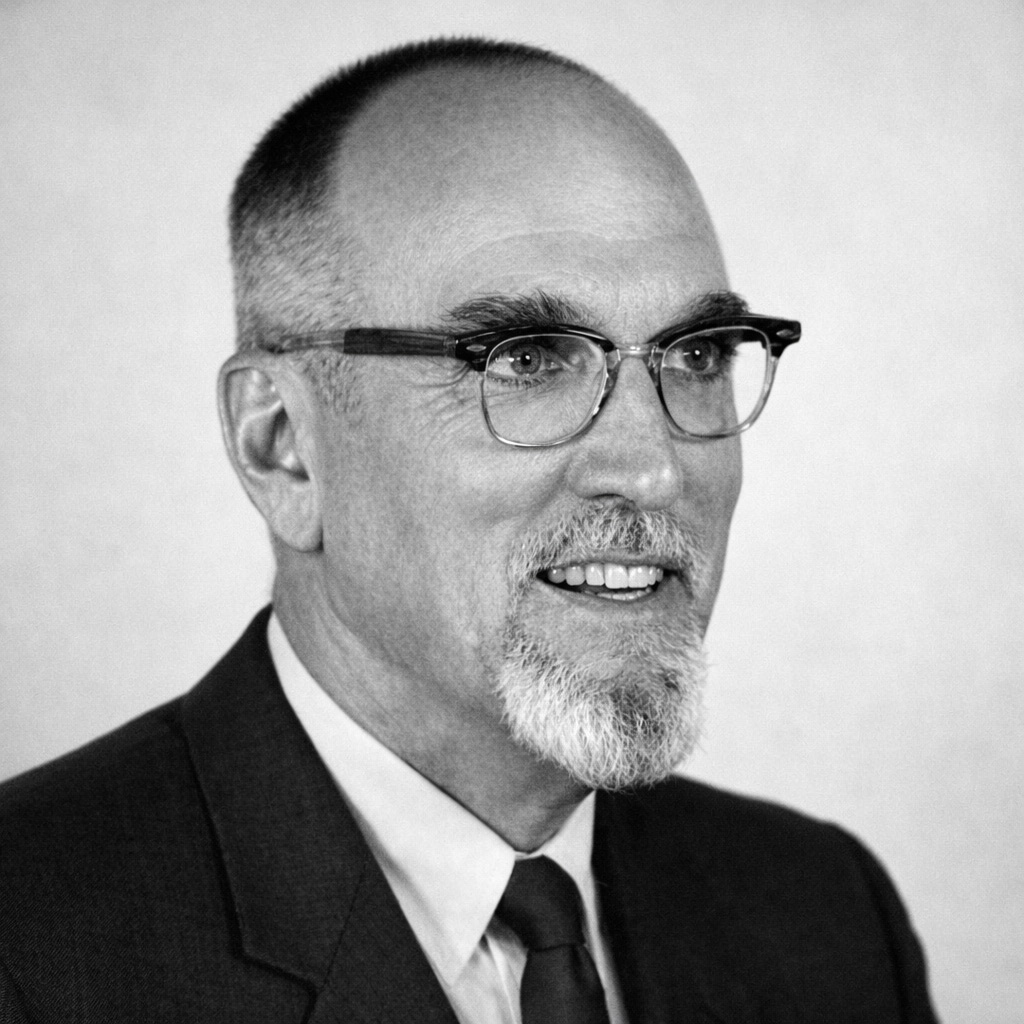 Dr. J.D. "Deke" Farrington (1916–2004)
A trauma surgeon and EMS visionary who championed the need for trained ambulance attendants. Farrington helped shape the direction of civilian EMS, developed early ambulance standards, and authored foundational EMS training texts still referenced today.
 James B. Finison
Chair of the NREMT Board of Directors (1981–1982) and longtime Director of Guilford County EMS in North Carolina. Finison was a key figure in shaping early EMS infrastructure in the region, leading ambulance station expansions and guiding system growth through the 1970s and 1980s. His leadership and operational insights were frequently cited in regional and national EMS planning discussions. He played a critical role in building one of the first structured countywide EMS systems in the southeastern U.S.
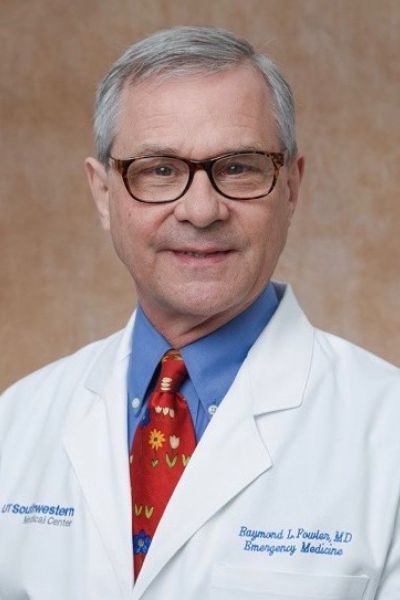 Dr. Raymond L. Fowler, MD, FACEP, FAEMS
When emergency physicians began organizing prehospital medicine as a discipline of its own, Raymond L. Fowler was in the room. A 1976 graduate of the Medical College of Georgia, he built his early career in that state as medical director for the Fulton County (Atlanta) fire and EMS program, president of the Georgia College of Emergency Physicians, and, from 1980, a member of the Georgia EMS Advisory Council for nearly four decades. He was one of the original authors of the Basic Trauma Life Support textbook and program and its first national program director, helping carry what is now International Trauma Life Support (ITLS) across the country and abroad. He served on the steering committee that formed the National Association of EMS Physicians (NAEMSP), later served as its president (1992–1993), and co-founded the National EMS Medical Director’s Course, which he taught for twenty-five years.
In 1998 Fowler helped Dr. Paul Pepe assemble the original faculty of the “EMS State of the Science” conference, better known as the Gathering of Eagles, which became the annual forum for the medical directors of the nation’s largest 9-1-1 systems; among them he is known as the “First Eagle.” He was a principal author and designer of the National Disaster Life Support program and a founding author of NAEMSP’s textbook Emergency Medical Services: Clinical Practice and Systems Oversight. At UT Southwestern Medical Center in Dallas he became Professor and Chief of the Division of EMS and attending faculty at Parkland Memorial Hospital. In 2013 he was the first UT Southwestern physician to pass the new EMS Medicine subspecialty boards, and in 2017 he was named the inaugural holder of the James M. Atkins, M.D., Professorship in EMS, honoring his longtime mentor. When the COVID-19 pandemic closed hospitals to student observers, he partnered with pre-health students to launch a virtual shadowing program in emergency medicine. His honors include the American College of Emergency Physicians’ Lifetime Achievement Award in EMS (2012).
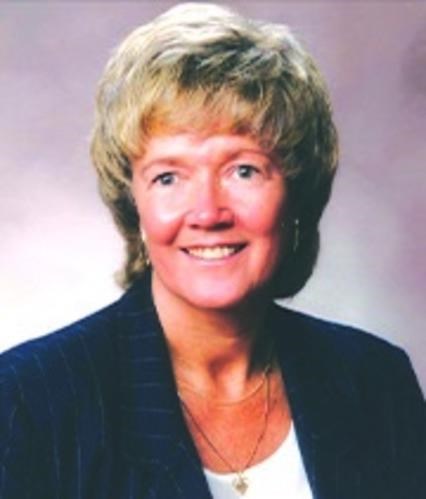 Dr. Marilyn Gifford (1943–2024)
Affectionately known as the "godmother of emergency services" in Colorado Springs, Dr. Marilyn Gifford was a pioneering physician, educator, and advocate for EMS excellence. As a former two term Chair of the National Registry of EMTs (NREMT), she championed clinical rigor, inclusive leadership, and professional recognition for EMS clinicians nationwide. Her legacy includes decades of teaching, system development, and leadership in emergency medicine.
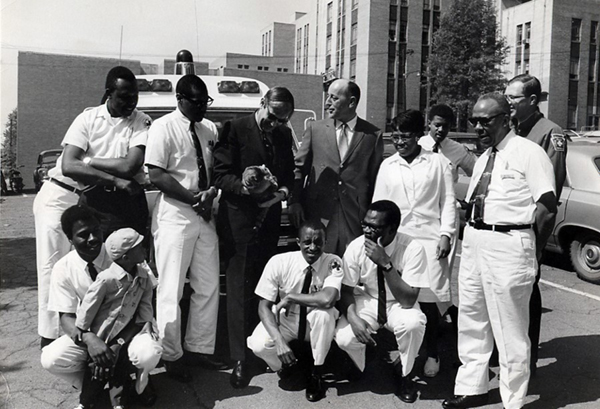 Freedom House Paramedics
Freedom House Ambulance Service operated in Pittsburgh from 1967 to 1975 and is widely recognized as the birthplace of the modern paramedic. Staffed by young Black men and women trained in advanced prehospital care, Freedom House set a national standard for emergency medicine long before EMS was a profession.
These true pioneers demonstrated the power of rigorous training, community trust, and equitable opportunity—transforming public safety and health outcomes in underserved neighborhoods. Their legacy lives on in every paramedic unit today.
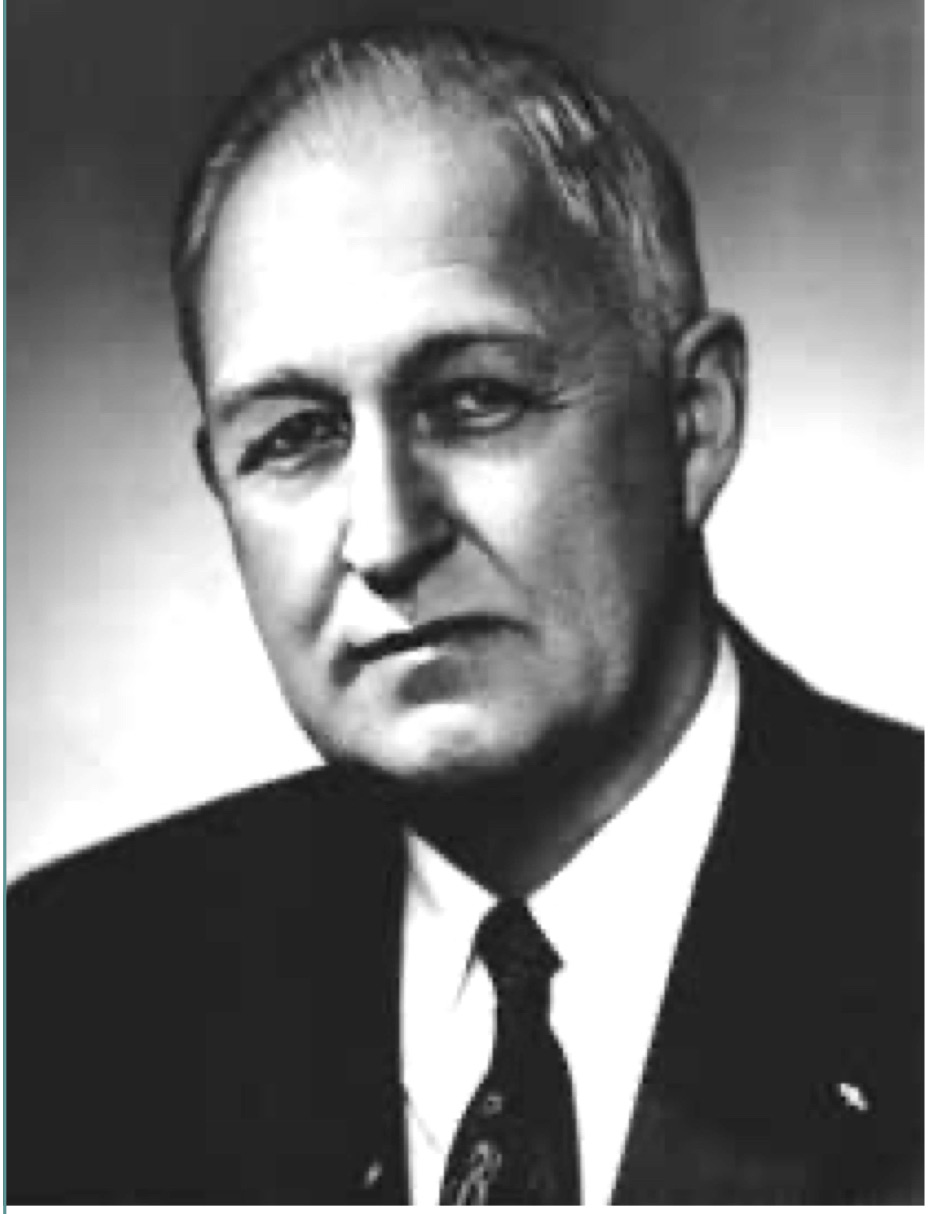 Dr. Oscar P. Hampton, Jr. (1905–1977)
Chair of the AMA Committee on EMS and a key figure instrumental to the founding of the National Registry of EMTs (NREMT), Dr. Hampton was a nationally respected orthopaedic surgeon and trauma leader. As Chair of the American College of Surgeons Committee on Trauma, he led the Subcommittee on Transportation and helped author the 1967 Standards for Emergency Ambulance Service. A World War II orthopaedic consultant, Brigadier General in the U.S. Army Reserve, and decorated military surgeon, he played a pivotal role in shaping early EMS policy and trauma care systems.
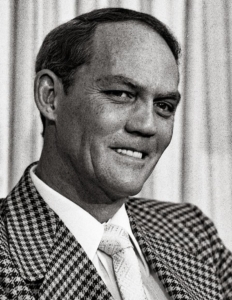 Glenn "Bud" Hare (1931–1999)
A former San Diego police officer turned EMS innovator and entrepreneur, Glenn "Bud" Hare invented the Hare Traction Splint—a device designed to quickly immobilize and apply traction to fractured legs in the field. Originally fashioned from bicycle parts, a toilet seat cover, a ratchet, and washing machine gears, the splint became an industry standard used in over 100 countries after its introduction in 1968. Hare founded his company, Dyna Med, in 1967, which grew into one of the nation's largest emergency medical products distributors, producing a 300-page catalog of over 3,500 EMS products. He also launched EMERGENCY magazine in 1969—one of the first publications dedicated to the EMS profession—followed by POLICE magazine in 1978. His innovations in both EMS equipment and professional media helped define the early identity of emergency medical services as a distinct field.
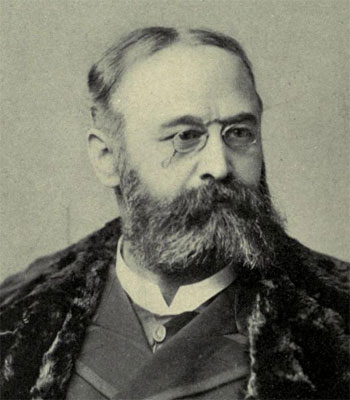 Dr. Benjamin Howard (1836–1900)
A Union Civil War surgeon and one of the earliest international exporters of American EMS innovation, English-born Dr. Benjamin Howard served under Major Jonathan Letterman at the Pry House during the Battle of Antietam, where he treated Major Generals Israel Richardson and Joseph Hooker. In 1863 he proposed sealing penetrating chest wounds with collodion-treated linen — an early precursor to the modern treatment of sucking chest wounds. In October 1864 he designed the Howard Ambulance, featuring roller-loaded litters and semi-elliptical springs for smoother transport, which later saw widespread use in the French Army.
After the war, Howard practiced surgery in New York and in 1871 published the AMA prize-winning Direct Method of Artificial Respiration, which became standard across the United States. Around 1873 he returned to England and helped establish the London Ambulance Service — the first hospital-based ambulance service in Europe, modeled directly on American urban systems.
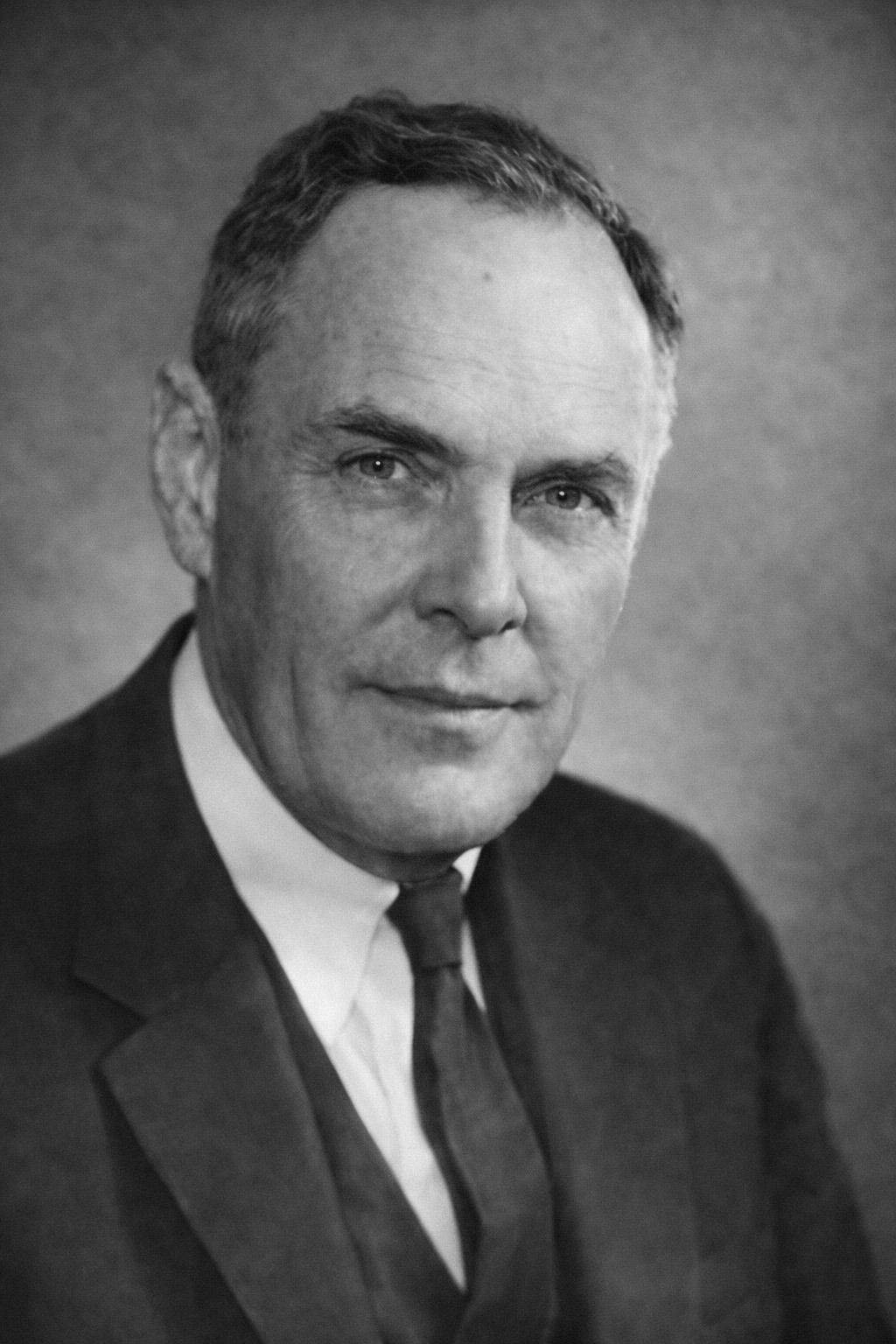 Dr. Irvin E. Hendryson
A prominent national leader in the early formation of EMS systems, Dr. Irvin Hendryson was a professor of surgery at the University of New Mexico and served as a federal consultant to the U.S. Department of Health, Education, and Welfare. He was a member of both the AMA EMS Task Force and the President's Commission on EMS. His research and policy influence helped guide the revolutionary transition from unstructured ambulance transport to coordinated emergency medical services nationwide.
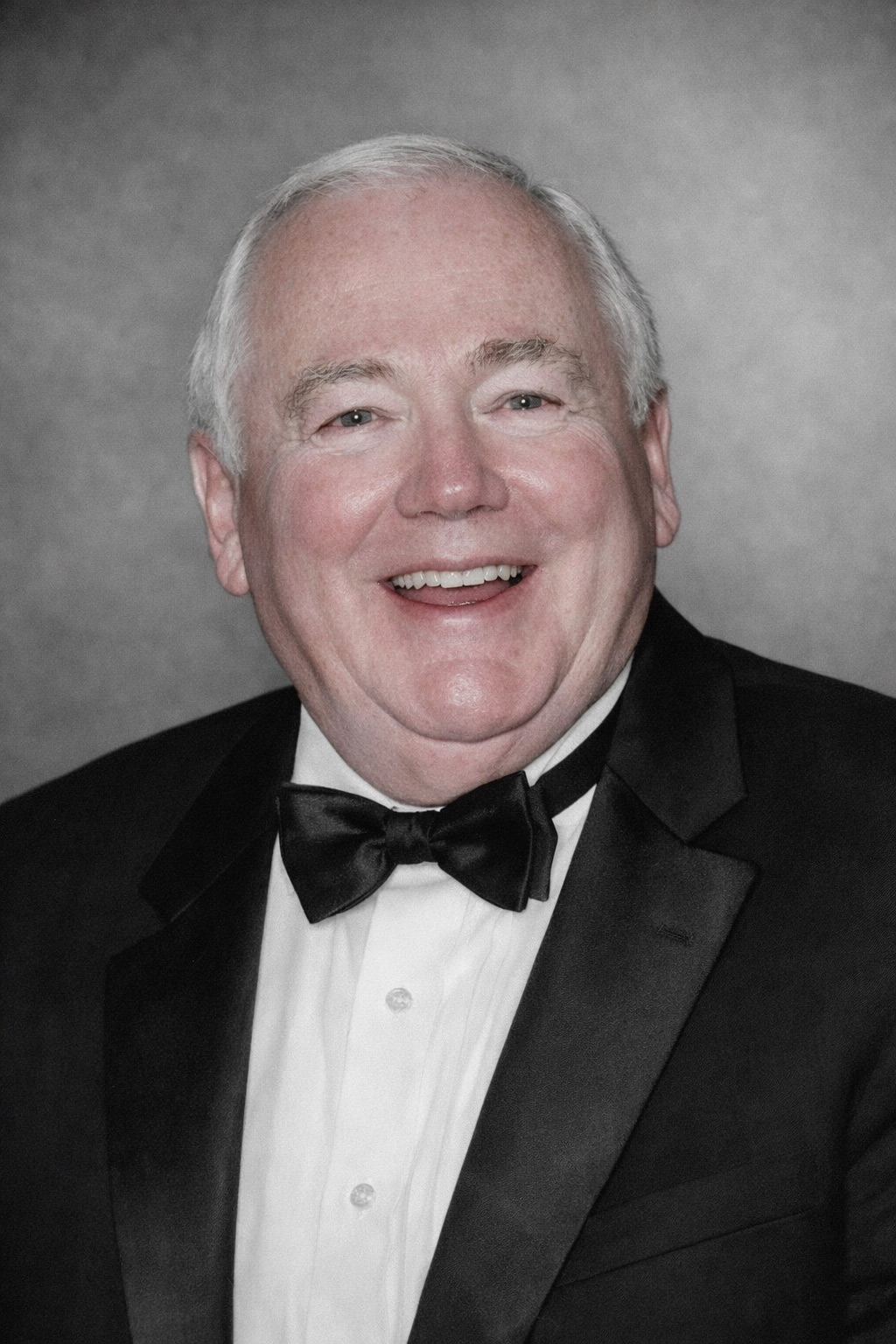 Dr. David B. Hill, Jr. (1928–2002)
Founder of Superior Ambulance in 1959, Dr. Hill professionalized EMS in Illinois by launching the first emergency ambulance service in DuPage County. Under his leadership, Superior grew into one of the largest private ambulance providers in the Midwest. He served as Chair of the NREMT Board of Directors (1973–1975), helping shape early national standards for EMT certification. A visionary businessman and national EMS leader, Hill's legacy endures in the systems he helped build and the standards he helped define.
 Lou Jordan
A foundational figure in Maryland's EMS system and a nationally respected EMS educator, Lou Jordan began his career with the Baltimore City Fire Department, where he trained countless EMTs, CRTs, and paramedics. As Director of Prehospital Care for MIEMSS, he led the development of the pioneering "Trauma Go Team" and helped develop the Med-Evac training program used by the Maryland State Police and U.S. Park Police. Jordan served as medical coordinator and advisor for the FBI Hostage Rescue Team and contributed to the development of the first ASTM EMS national standard. He received the Rocco V. Morando Lifetime Achievement Award in 2005 and the Leon W. Hayes Award for Excellence in EMS in 2015, and was a founding member of the National EMS Museum Foundation.
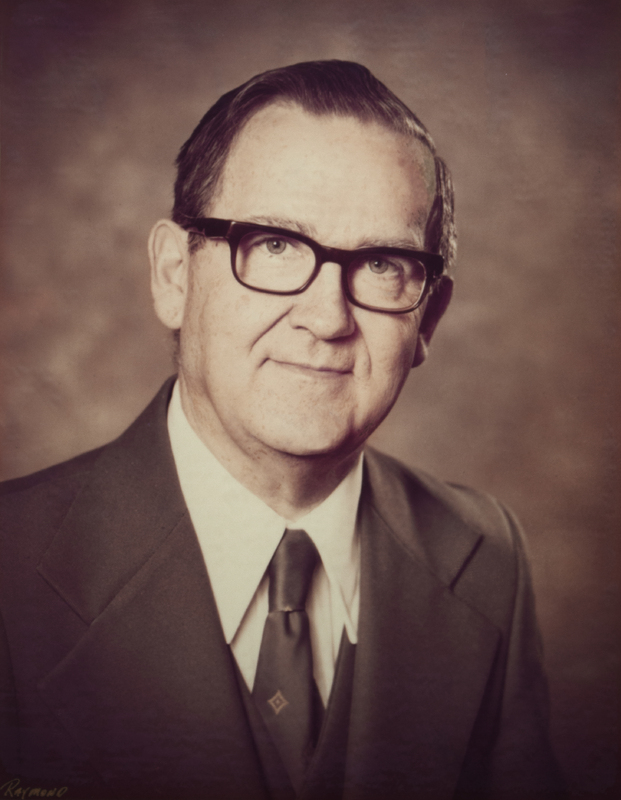 Dr. Kenneth F. Kimball, MD
A pioneer in Nebraska EMS, Dr. Kimball transformed basic ambulance transport into mobile emergency care. As Chair of the NREMT Board of Directors (1979–1980), he helped elevate training standards nationwide. In Nebraska, he championed the use of fire department personnel as trained first responders, enabling ambulances to become mobile treatment centers rather than glorified hearses. His leadership helped integrate prehospital care into mainstream medical systems.
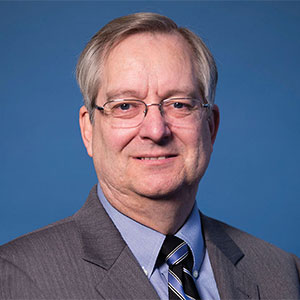 Dr. Jon R. Krohmer, MD, FACEP, FAEMS
A respected leader in EMS policy and system design, Dr. Krohmer served as Director of the NHTSA Office of EMS and held senior roles at the U.S. Department of Homeland Security. His leadership bridged federal policy, emergency preparedness, and frontline EMS operations.
He previously directed EMS and emergency medicine training programs in Michigan and served as medical director for local and regional systems. Board certified in Emergency Medicine and EMS, Dr. Krohmer remains an advocate for medical oversight, disaster readiness, and clinician support.
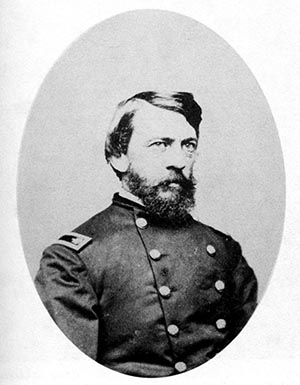 Dr. Jonathan Letterman (1824–1872)
Known as the "Father of Battlefield Medicine," Letterman revolutionized military medical logistics during the Civil War. He created an organized ambulance corps, triage protocols, and forward field hospitals—foundations of modern EMS.
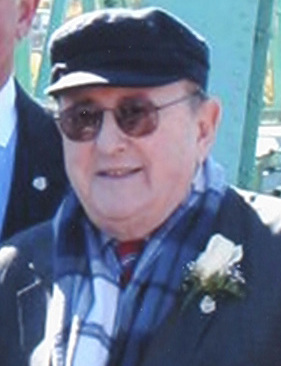 Dr. Bernard Lown (1921–2021)
A Lithuanian-born cardiologist whose innovations fundamentally changed emergency cardiac care worldwide, Dr. Bernard Lown developed the direct current defibrillator in 1962 and introduced lidocaine as a treatment for cardiac arrhythmias. Critically, he refused to patent the DC defibrillator—ensuring the technology could spread freely and save thousands of lives across the globe. Lown helped establish one of the first coronary care units at Peter Bent Brigham Hospital in Boston and championed early patient mobilization after heart attacks. Beyond cardiology, he co-founded International Physicians for the Prevention of Nuclear War, accepting the Nobel Peace Prize in 1985. A prolific author, his book The Lost Art of Healing remains widely read. He died in 2021 at the age of 99.
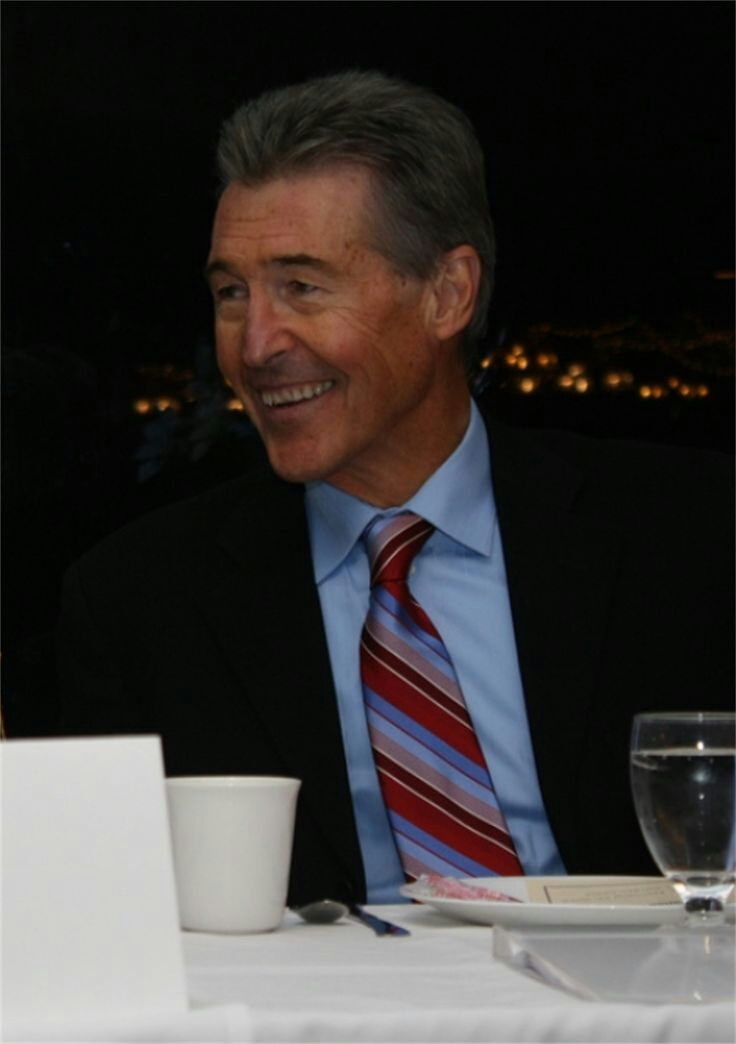 Randolph Mantooth (1945–2026)
Best known for his role as paramedic Johnny Gage on the 1970s television series Emergency!, Randolph Mantooth helped introduce the concept of modern EMS to millions of Americans. The show inspired legislation, public funding, and the development of paramedic systems nationwide, and influenced multiple generations of EMS providers. What earned Mantooth a place among the profession’s own pioneers, though, was the half century that followed: he dedicated much of his life after the show to speaking at EMS conferences and advancing EMS as a profession, always bringing the focus back to the humanity of the work. He served as a health-and-safety spokesperson for the International Association of Fire Fighters, a spokesperson for the International Association of Fire Chiefs’ EMS Section, and a lifetime member of the National Association of Emergency Medical Technicians, with honors that included the IAFC’s James O. Page Award of Excellence and designation as an Honorary Fire Chief of the Los Angeles County Fire Department, the agency whose paramedics he once portrayed. His message to EMS audiences never changed: “What you all do, what firefighters, paramedics, and EMTs do, isn’t a job. It’s a calling. And I can tell you from personal experience that it is the most important calling in life.” Mantooth died on July 9, 2026, at 80.
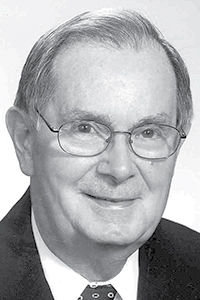 Joseph L. McCracken (1925–2016)
Chair of the NREMT Board of Directors (1986–1987), Joseph L. McCracken helped lead the transition of EMS from funeral homes to modern medical services. He served on the AMA EMS Taskforce responsible for creating the National Registry of Emergency Medical Technicians (NREMT), and was president of the National Funeral Directors Association (NFDA).
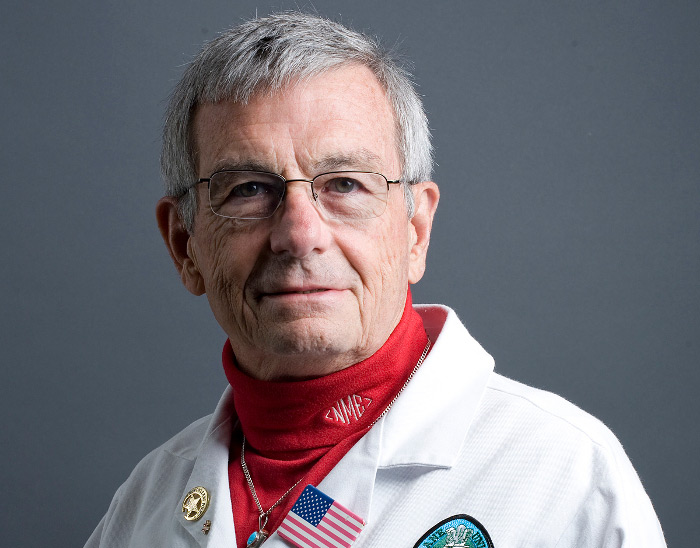 Dr. Norman E. McSwain (1937–2015)
Vice-Chairman (1985–1987) and then Chairman (1987–1989) of the NREMT Board of Directors, Dr. McSwain was a trauma surgeon and legendary EMS educator who was instrumental in developing Prehospital Trauma Life Support (PHTLS) and advancing EMS education worldwide. He served as medical director for New Orleans EMS and was known for bridging the gap between field medics and trauma surgeons.
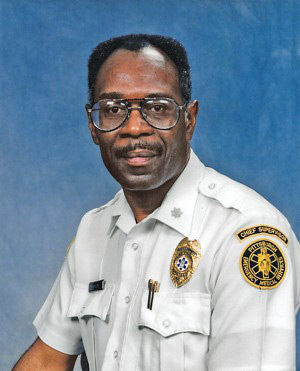 John Moon
John Moon was one of the first paramedics in the United States and a trailblazer with Pittsburgh's Freedom House Ambulance Service—the nation's first EMS program staffed by professionally trained paramedics. He was among the first to perform prehospital intubation and helped set national precedents for paramedic-level care in the field.
Moon later rose to become Assistant Chief of Pittsburgh EMS and remains a powerful voice for equity, innovation, and the enduring legacy of Freedom House. His story continues to inspire new generations of EMS professionals.
 Rocco V. Morando (1927–2023)
Founder of the National Registry of Emergency Medical Technicians (NREMT), the NAEMT, and tireless advocate for national EMS standards. Morando advanced the profession through rigorous certification, helping shape the legitimacy and identity of EMS as a healthcare discipline.
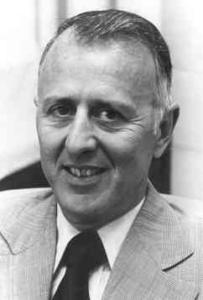 Dr. Eugene Nagel (1924–2023)
Often called the "father of modern EMS telemetry," Dr. Nagel pioneered the use of radio-linked telemetry to allow physicians to direct paramedics remotely. His work in Miami helped define the physician-directed advanced life support model still used today.
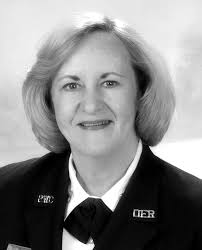 Mary Beth Michos
A trailblazer for women in fire and EMS leadership, Mary Beth Michos was the first woman hired by Montgomery County (MD) Fire and Rescue and served over 21 years, rising to Assistant Chief. She later became Fire-EMS Chief of Prince William County (VA). Known for her advocacy of EMS professionalism, integration, and inclusive leadership, she influenced national EMS policy and mentored countless clinicians and leaders.
 Dr. Dawson A. Mills, M.D.
As Chief of the EMS Branch at the National Highway Traffic Safety Administration (NHTSA), Dr. Dawson A. Mills played a pivotal role in shaping national EMS policy and infrastructure. He was instrumental in the adoption of the Star of Life symbol as the universal EMS identifier. Mills also helped lead the task force that created the National Registry of Emergency Medical Technicians (NREMT), emphasizing the need for national EMS certification and standards.
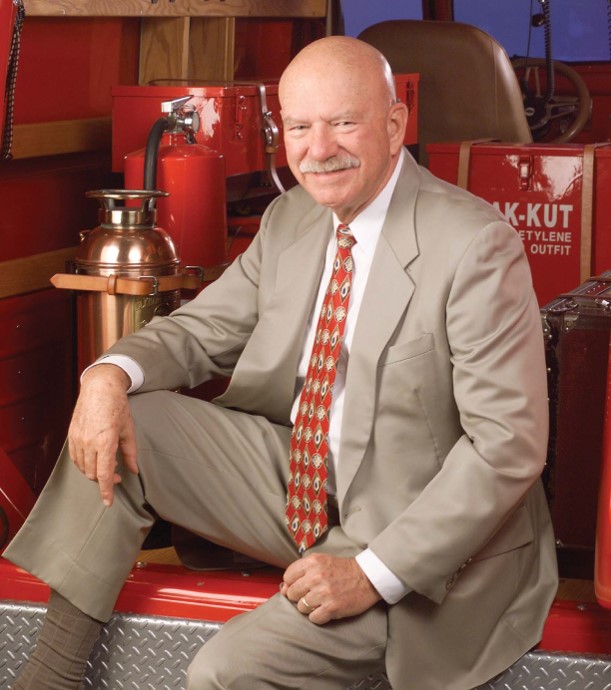 James O. Page, JD (1936–2004)
Widely regarded as the "father of modern EMS," Page was a firefighter, attorney, author, and public policy leader. He helped shape EMS systems through his advocacy, writing, and leadership in EMS law and regulation, co-founding JEMS magazine and advising on national policy during EMS's formative years.
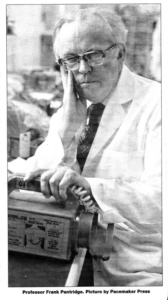 Prof. Frank Pantridge (1916–2004)
Widely regarded as the father of modern mobile coronary care, Professor Frank Pantridge revolutionized cardiac emergency response by developing the first portable defibrillator and deploying the world's first mobile coronary care unit from the Royal Victoria Hospital in Belfast, Northern Ireland, in 1966. A World War II veteran who survived Japanese captivity on the Burma–Siam railway—where he encountered cardiac effects of beriberi that may have sparked his interest in cardiology—Pantridge recognized that most cardiac deaths occurred outside hospitals and that immediate defibrillation at the scene was critical. His first portable defibrillator weighed 70 kg and ran on car batteries; through continued refinement, he eventually reduced it to just 3 kg. His insistence that non-physicians could safely operate defibrillators laid the groundwork for the automated external defibrillator (AED) and inspired mobile cardiac care programs worldwide.
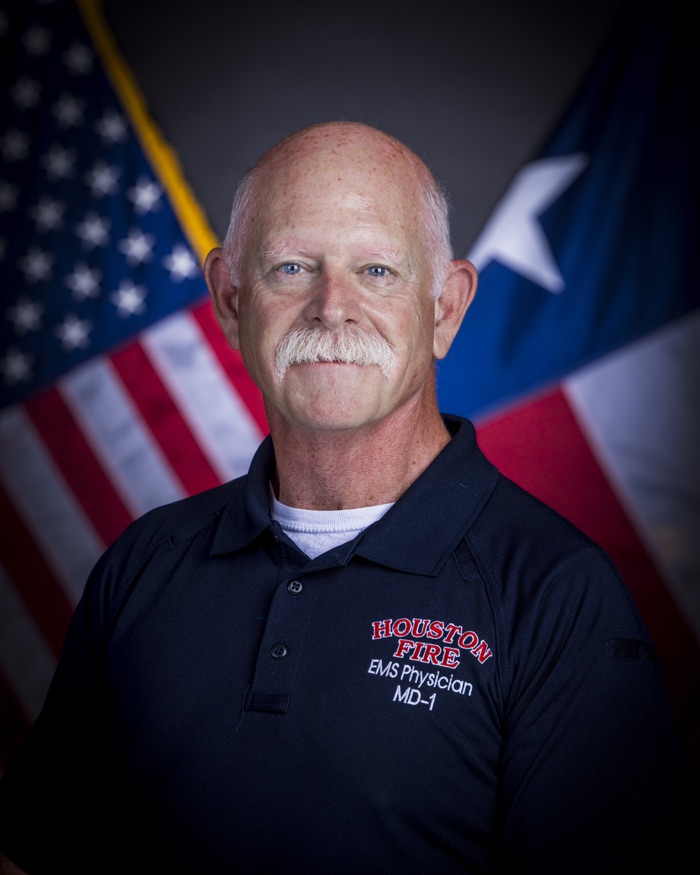 Dr. David E. Persse (1959–2026)
David Persse came to medicine from the back of the ambulance. He spent ten years as a field paramedic and paramedic instructor in New York and New Jersey before attending Columbia University and Georgetown University School of Medicine, then trained in emergency medicine at Harbor-UCLA Medical Center and completed a resuscitation research fellowship at Ohio State and an EMS fellowship at Baylor College of Medicine. After serving as assistant medical director of Houston EMS, he directed the Los Angeles County Paramedic Training Institute and served as assistant medical director of the Los Angeles County EMS Agency. In 1996 he returned to Houston as physician director of the Houston Fire Department’s EMS system, a post he held for 29 years. From 2004 he was also the city’s public health authority, and later its chief medical officer, until his retirement in April 2026.
Under his medical direction Houston became a proving ground for ideas the rest of the country would study: a squad-based deployment system, the nation’s first mobile stroke unit (2014), and ETHAN (Emergency TeleHealth And Navigation), launched the same year, which connects lower-acuity 9-1-1 patients by video with an emergency physician and navigates them to care outside the emergency department. He also built the tactical medicine program of the Houston Police Department SWAT team, serving as its tactical physician. He guided Houston’s medical response through the Hurricane Katrina evacuation, which earned him NAEMSP’s Keith Neely award, as well as Hurricane Harvey, repeated flooding, and the COVID-19 pandemic. Nationally he chaired the National Registry of EMTs and was a leading voice among the “Eagles,” the medical directors of the nation’s largest 9-1-1 systems, who gave him their Michael K. Copass Award. As a faculty member at UTHealth Houston’s McGovern Medical School and Baylor, he trained dozens of EMS physician specialists and thousands of responders. On September 26, 2026, while swimming in the surf at Hermosa Beach, California, he suffered a high spinal cord injury and went into cardiac arrest. Bystanders and Los Angeles County lifeguards and firefighters resuscitated him, but he died two days later, on September 28, at 67.
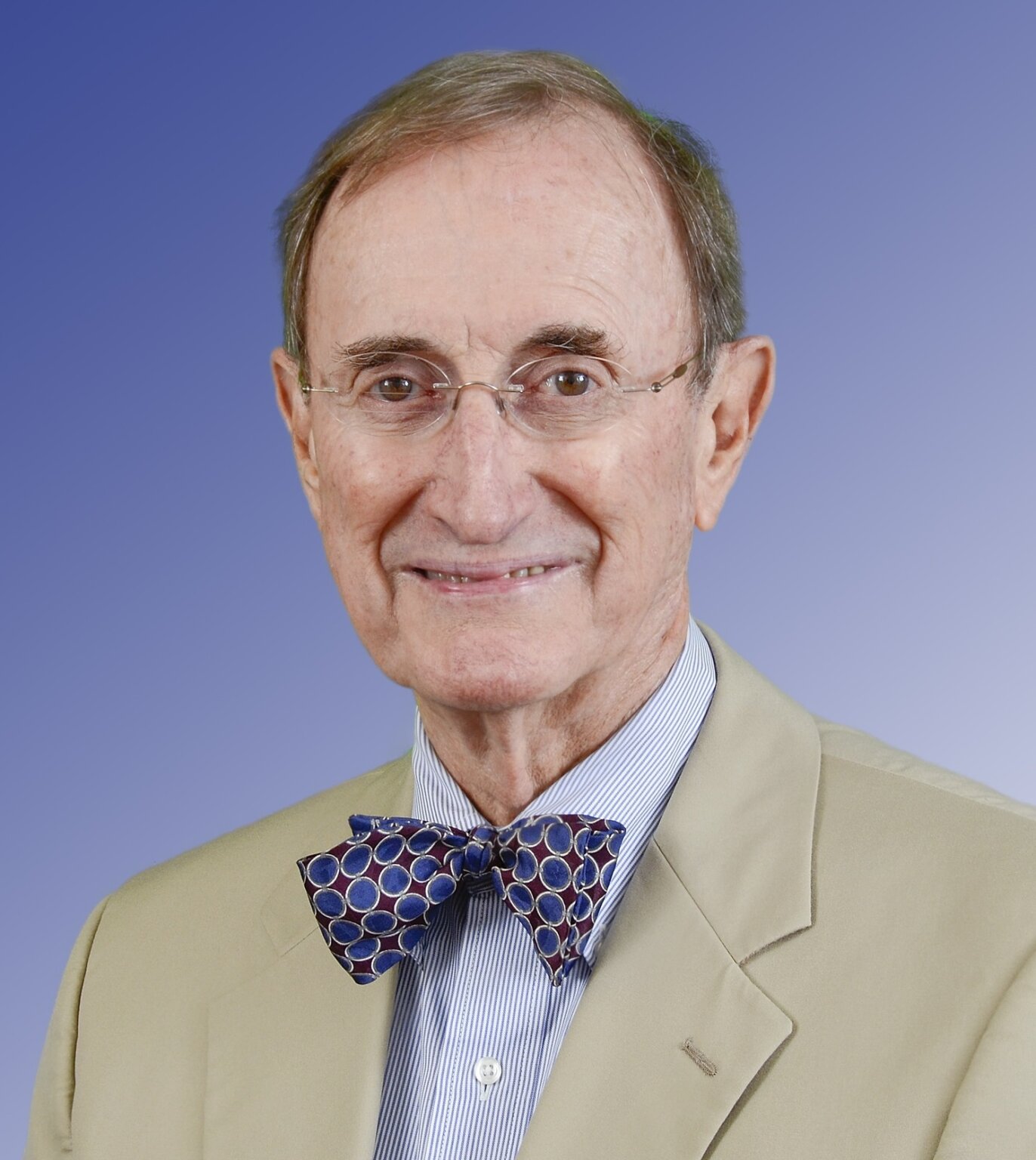 Dr. Charles A. Rockwood Jr. (1929–2022)
A pioneering orthopaedic surgeon and EMS innovator, Dr. Rockwood served as first editor of the foundational 1971 AAOS EMT textbook, known as the "Orange Book," and helped launch modern EMS in San Antonio, Texas. He collaborated with Drs. Peter Safar and Nancy Caroline on early paramedic curricula and served as president of the American Academy of Orthopaedic Surgeons (AAOS). His leadership helped bridge trauma care, education, and EMS system development nationwide.
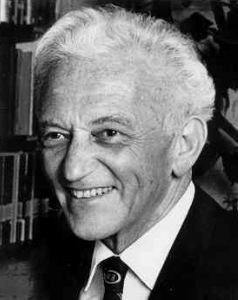 Dr. Peter Safar (1924–2003)
Austrian-born American physician credited with developing modern CPR and co-founding Freedom House Ambulance in Pittsburgh. Safar also advocated for physician-led EMS systems and authored the first intensive care textbook.
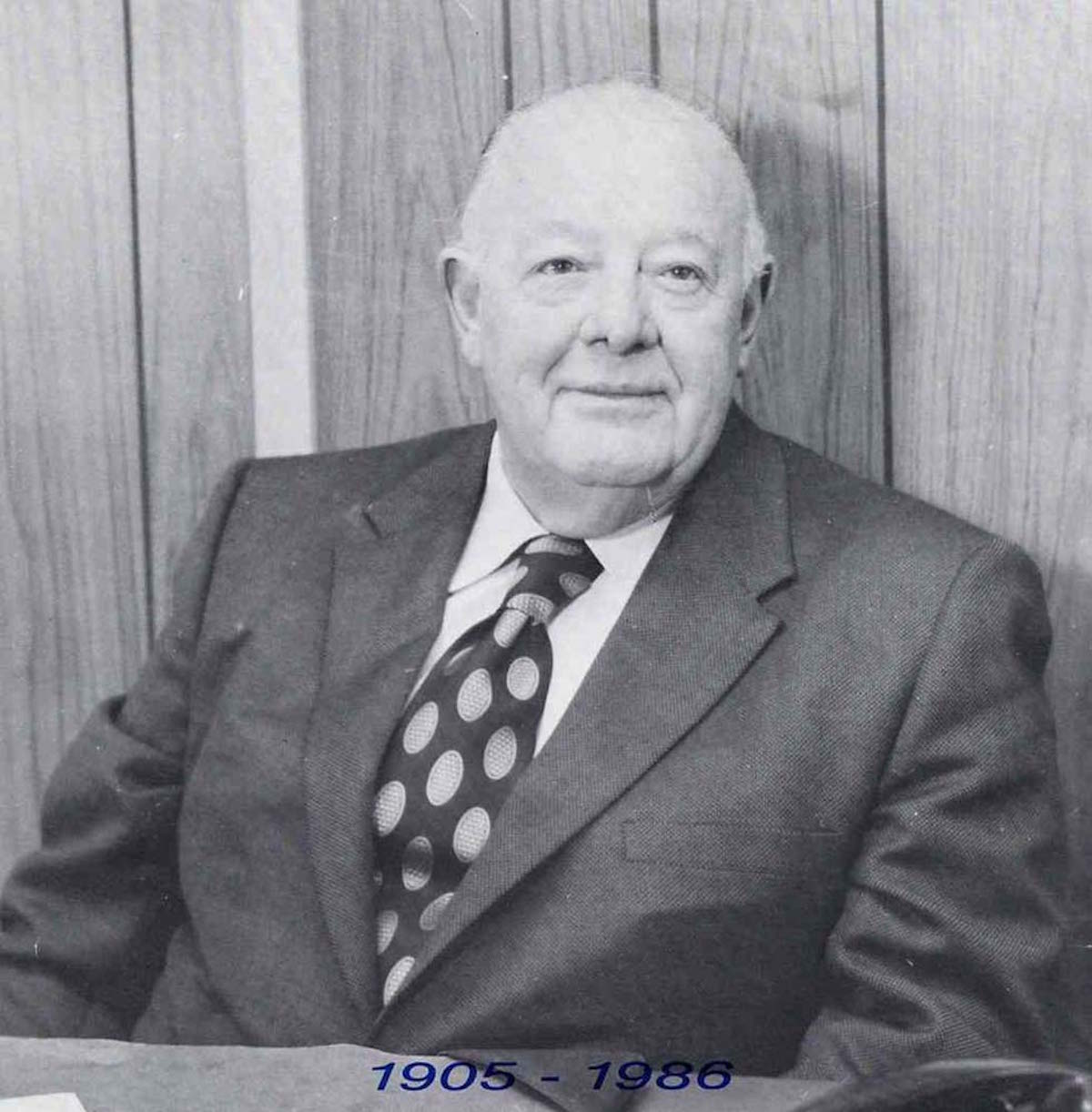 Walter Schaefer (1905–1986)
A visionary in private EMS, Walter Schaefer founded Hollywood Ambulance in 1932, which later became Schaefer Ambulance—a leader in critical care transport and the first FAA-certified air ambulance provider in the U.S. He was instrumental in shaping the EMS industry, serving as founding president of both the California Ambulance Association (1948) and the American Ambulance Association (1979). His legacy spans over eight decades of EMS innovation across Southern California.
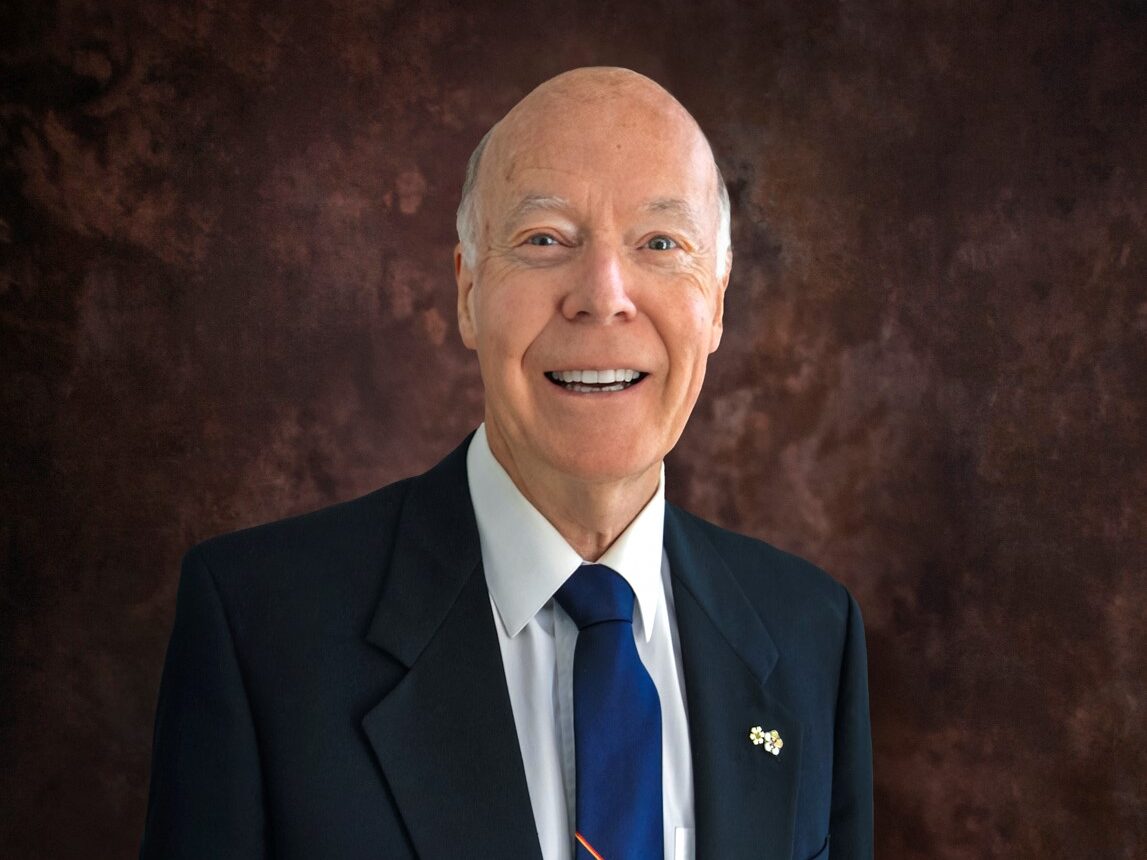 Dr. Ronald D. Stewart, M.D., FAEMS (1942–2024)
Widely regarded as a transformative figure in EMS, Dr. Ronald Stewart revolutionized prehospital care in both the United States and Canada. He developed and led paramedicine programs in Los Angeles and Pittsburgh, served as the first president of the National Association of EMS Physicians (NAEMSP), and later became Nova Scotia's Minister of Health in the 1990s. Stewart also taught at Dalhousie University's Faculty of Medicine and, during his time in Los Angeles, advised on the television series Emergency!, earning the nickname "Doc Hollywood."
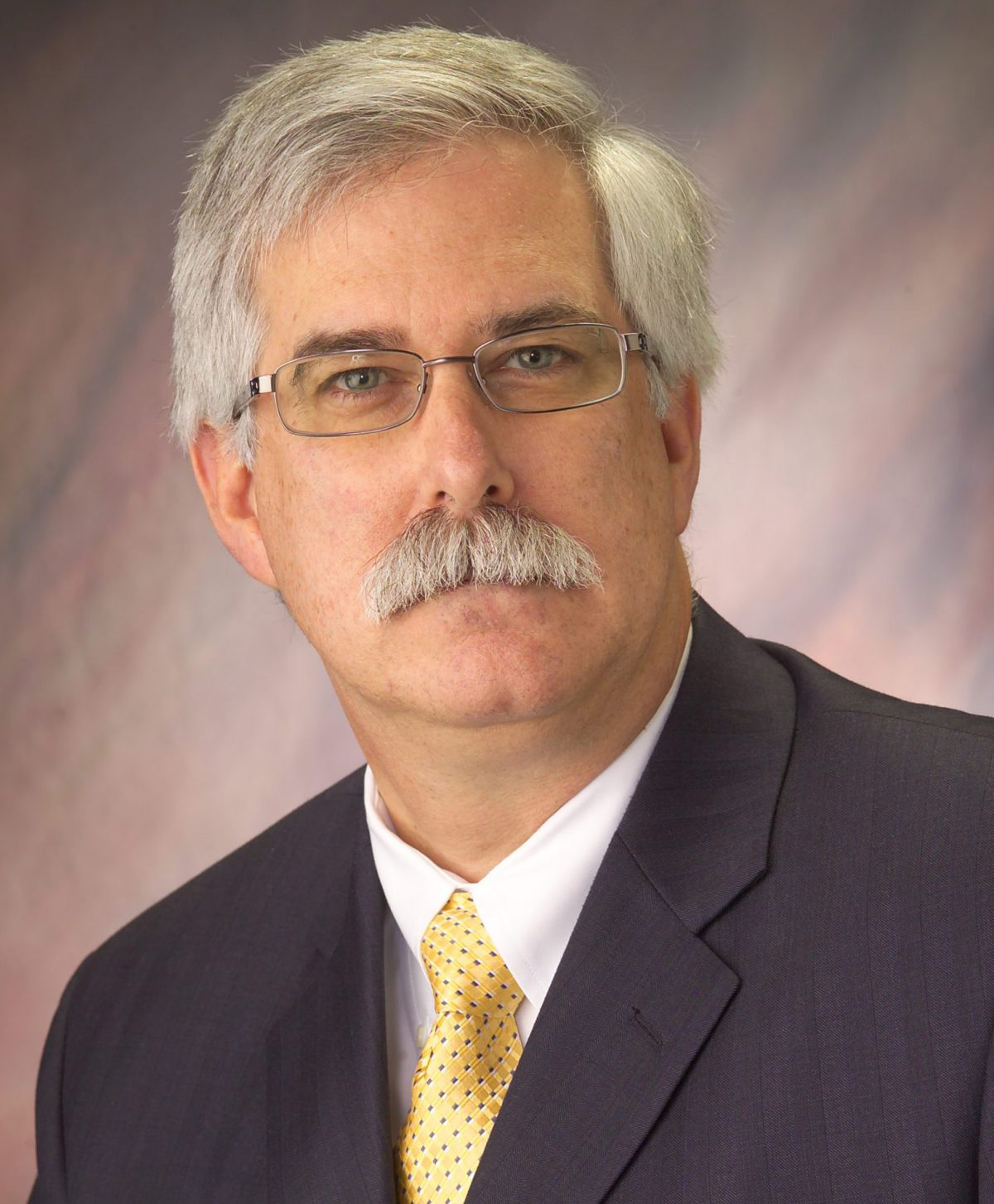 Walt Stoy, PhD, EMT-P, CCEMT-P
A globally recognized EMS educator, Walt Stoy led the development of the National Standard Curricula for EMS and served as the founding president of the National Association of EMS Educators. As director of educational and international emergency medicine at the University of Pittsburgh and the Center for Emergency Medicine, Stoy helped shape EMS education nationally and internationally for over four decades.
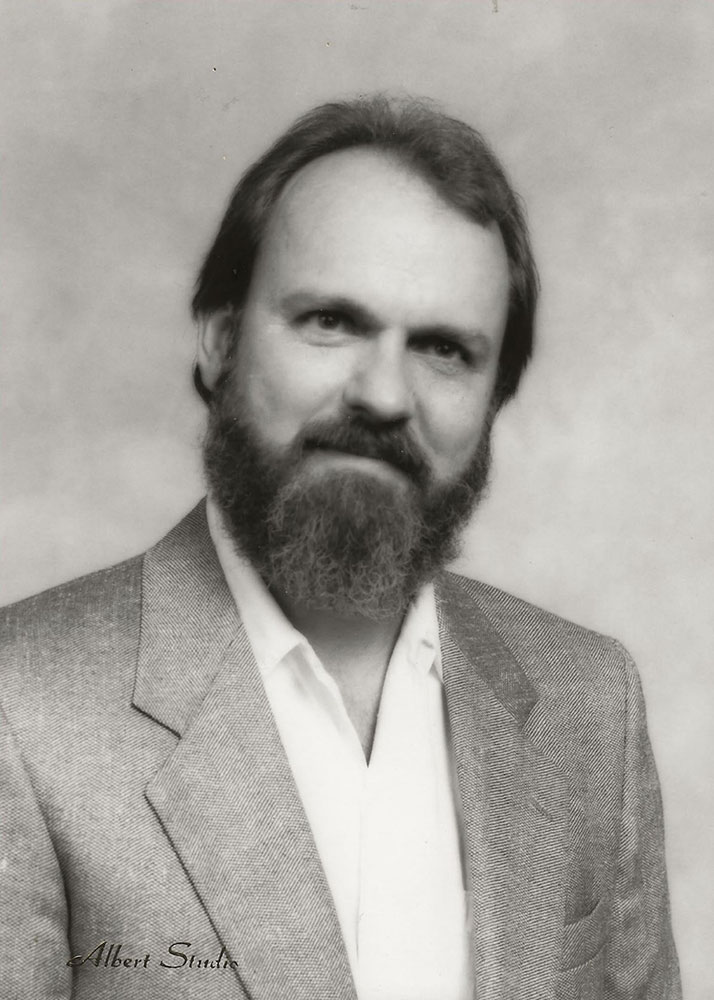 Jack Stout (1944–2020)
Often called the father of EMS system design, Stout developed the System Status Management model, introducing data-driven deployment strategies that revolutionized efficiency in EMS operations. His visionary leadership laid the foundation for many modern public and private EMS systems.
AT Alexander A. Terrell (d. 1982)
Founder of the Hunton Life Saving and First Aid Crew in Roanoke, Virginia — the first all-Black volunteer rescue squad in the United States. On December 21, 1941, two weeks after Pearl Harbor, Terrell organized 19 volunteers who trained at Burrell Memorial Hospital and operated from the Hunton YMCA in the Gainsboro neighborhood. The crew grew to over 50 members and served continuously for 46 years, helping establish similar Black rescue squads across Virginia.
Terrell's founding of the Hunton Crew gives Roanoke a dual legacy in American EMS: birthplace of the volunteer rescue movement (Julian Stanley Wise, 1928) and birthplace of diversity in volunteer emergency services.
 Curtis W. Volkamer (1911–1997)
Chief Curtis Volkamer was Chicago's Chief Fire Marshal and a past President of the International Association of Fire Chiefs (IAFC). A World War II veteran decorated with the Bronze Star and Purple Heart, Volkamer led fire responses to some of Chicago's most devastating disasters. As a respected national fire service leader, he played a key role on the AMA Committee on EMS and served as an inaugural board member of the National Registry of EMTs (NREMT), helping lay the foundation for EMS licensure and training nationwide.
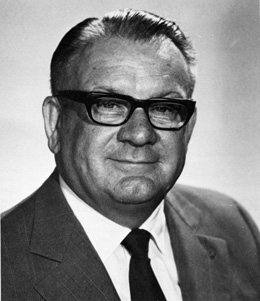 Chief Gordon Vickery (1920–1996)
Seattle Fire Chief Gordon Vickery played a key role in developing the legendary Medic One program alongside cardiologist Dr. Leonard Cobb, proving that firefighters could be trained to deliver hospital-quality cardiac care in the field. Starting as a firefighter in 1946, Vickery rose through the ranks to become chief in 1963 and immediately began modernizing the department's emergency response capabilities. When the Seattle City Council declined to fund Medic One in 1972, Vickery and his firefighters solicited private donations to keep the program alive—a grassroots effort that led to the creation of the Medic One Foundation in 1974. Under his leadership, the Seattle Fire Department became a national model for minority recruitment, community safety initiatives, and paramedic services. Vickery later served as head of Seattle City Light and was appointed by President Carter as director of the U.S. Fire Administration.
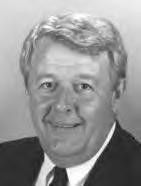 Richard W. "Rick" Vomacka (1946–2001)
A multifaceted EMS leader who served as educator, publisher, field provider, and national advocate, Rick Vomacka was President of NAEMT from 1980 to 1981 and played a central role in the early development of the Prehospital Trauma Life Support (PHTLS) program. He participated in one of the original pilot courses of what was initially called "ATLS for Non-physicians" and served as PHTLS Committee Chairman from 1983 to 1985, overseeing the first Regional Faculty workshops that established the program nationwide. Vomacka later served as PHTLS Military Coordinator, helping integrate the training into the U.S. Armed Forces. He also served as Vice President and Editorial Director of Emergency Training Institute. Many of his accomplishments were achieved while certified as an EMT-Basic—a testament to his belief that leadership in EMS was not limited by certification level.
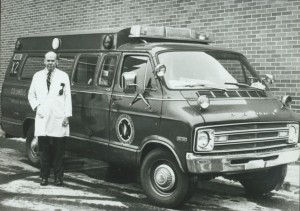 Dr. James V. Warren (1915–1990)
A pioneering cardiologist at Ohio State University, Dr. James Warren launched the nation's first mobile coronary care unit—Columbus's "Heartmobile"—in 1969. This 25-foot emergency vehicle staffed by physicians and off-duty firefighters brought hospital-level cardiac care to the field. Warren's innovation laid the groundwork for paramedic development in Ohio and influenced national models for prehospital cardiac response.
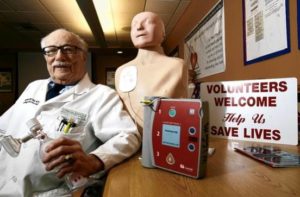 Dr. Max Weil (1927–2011)
Widely regarded as the father of critical care medicine, Dr. Max Harry Weil transformed how hospitals care for the sickest patients—and in doing so, advanced the science behind prehospital emergency care. A Swiss-born physician who escaped Nazi Europe as a child, Weil served as a U.S. Army medic before earning his MD from SUNY Downstate and a PhD in physiology from the Mayo Clinic. In the late 1950s, he and colleague Dr. Herbert Shubin pioneered the concept of the intensive care unit in Los Angeles—placing critically ill patients together where interdisciplinary teams could monitor them continuously. Weil helped create the first bedside crash cart, introduced computerized patient monitors, implemented computer-aided medical decision-making, and established the first STAT laboratory. He was the founding president of the Society of Critical Care Medicine and advocated for placing defibrillators in public spaces and teaching CPR to ordinary citizens.
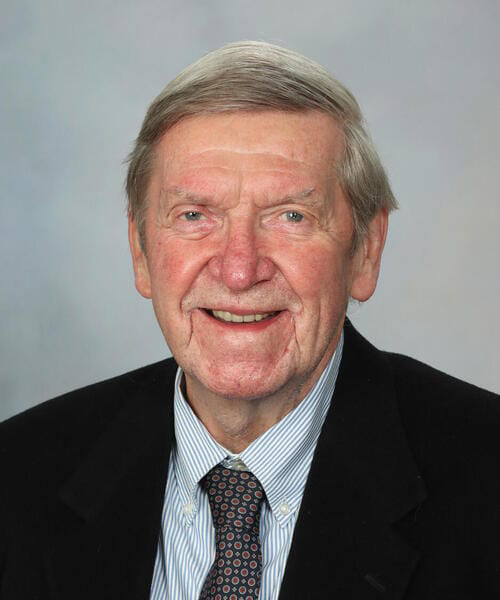 Dr. Roger D. White
A renowned anesthesiologist and EMS advocate from the Mayo Clinic, Dr. White has been instrumental in advancing out-of-hospital cardiac arrest response and resuscitation protocols. He played a key role in shaping the National Registry's medical oversight and contributed significantly to research on early defibrillation and high-performance CPR.
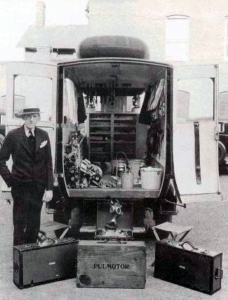 Julian Stanley Wise (1900–1985)
Founder of the first volunteer rescue squad in the United States—Roanoke Life Saving and First Aid Crew—in 1928. Wise helped launch the volunteer rescue movement, inspiring thousands of similar squads across the country and laying the groundwork for community-based EMS.
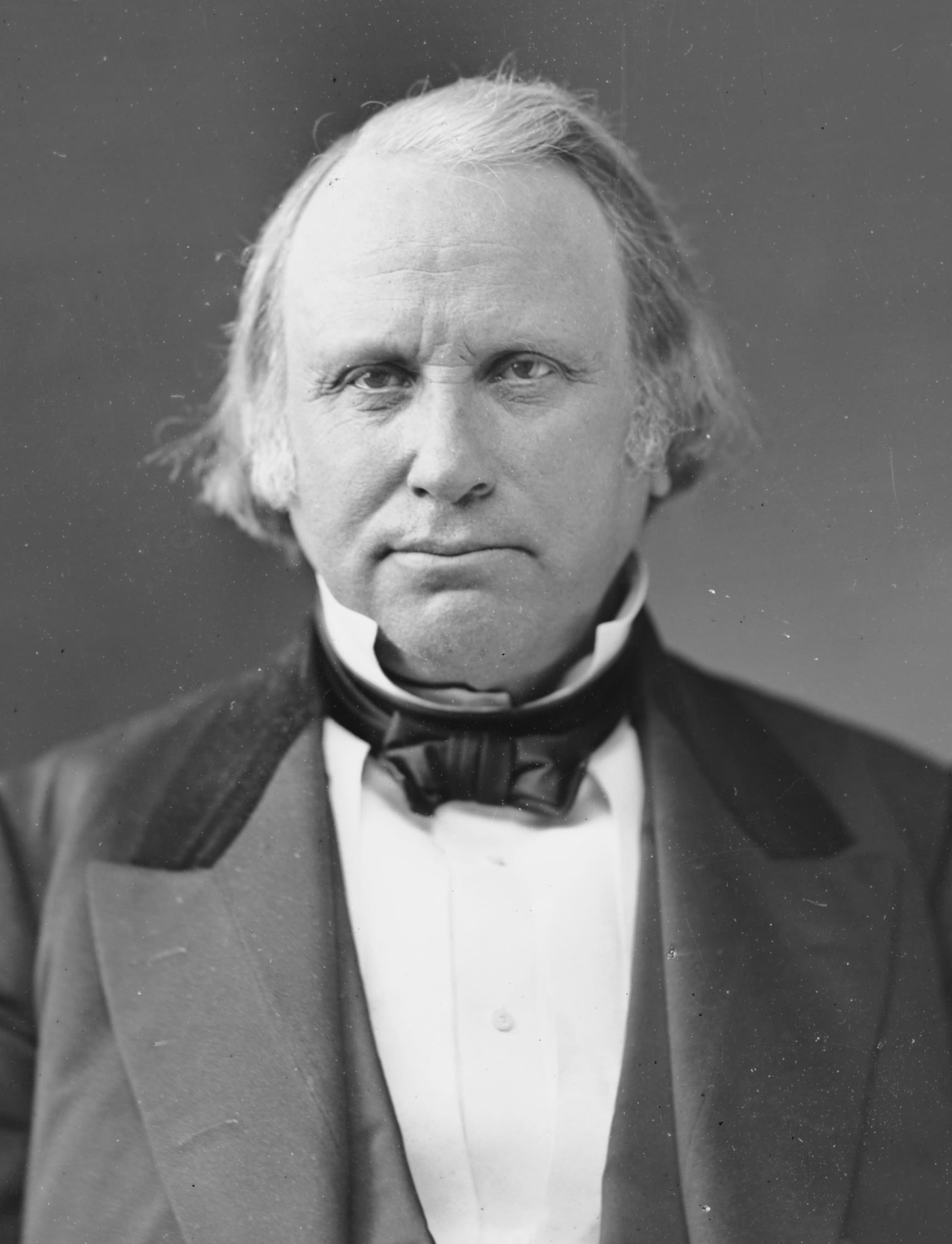 Sen. Henry Wilson (1812–1875)
United States Senator from Massachusetts and later the 18th Vice President. As Chairman of the Senate Military Affairs Committee during the Civil War, Wilson championed the Ambulance Act of March 11, 1864 — the first federal statute establishing professional governance over emergency medical transport. The Act placed ambulance supervision under medical authority across all Union armies, formalized competency screening, and made organized evacuation durable through law rather than personality.
A committed abolitionist and architect of the Thirteenth Amendment, Wilson consistently advanced the view that rights and responsibilities required structural protection. His role in codifying conveyance authority represents the first legislative recognition that emergency medical transport is a governed clinical function — a principle that runs directly through the Wedworth-Townsend Act, the EMS Systems Act, and modern interstate compact law.
 Dr. Carl Young, Jr. (1923–2008)
A lifelong champion of emergency care education and community health in Texas, Dr. Carl B. Young, Jr. began his career with the American Red Cross in 1941 and served as a combat medic with the 87th Infantry Division in the European Theater during World War II. After earning degrees from the University of Houston and the University of North Carolina, he spent decades training thousands in first aid, CPR, swimming, and lifesaving. Young authored three textbooks on emergency care and transportation, developed emergency splints and rescue spine boards, and pioneered techniques for patient extrication from wrecked automobiles. He trained the initial EMS instructors for the Dallas, Houston, and San Antonio Fire Departments and played a major role in establishing Corpus Christi Fire Department EMS. In 1988, he was inducted into the Texas EMS Hall of Fame.